
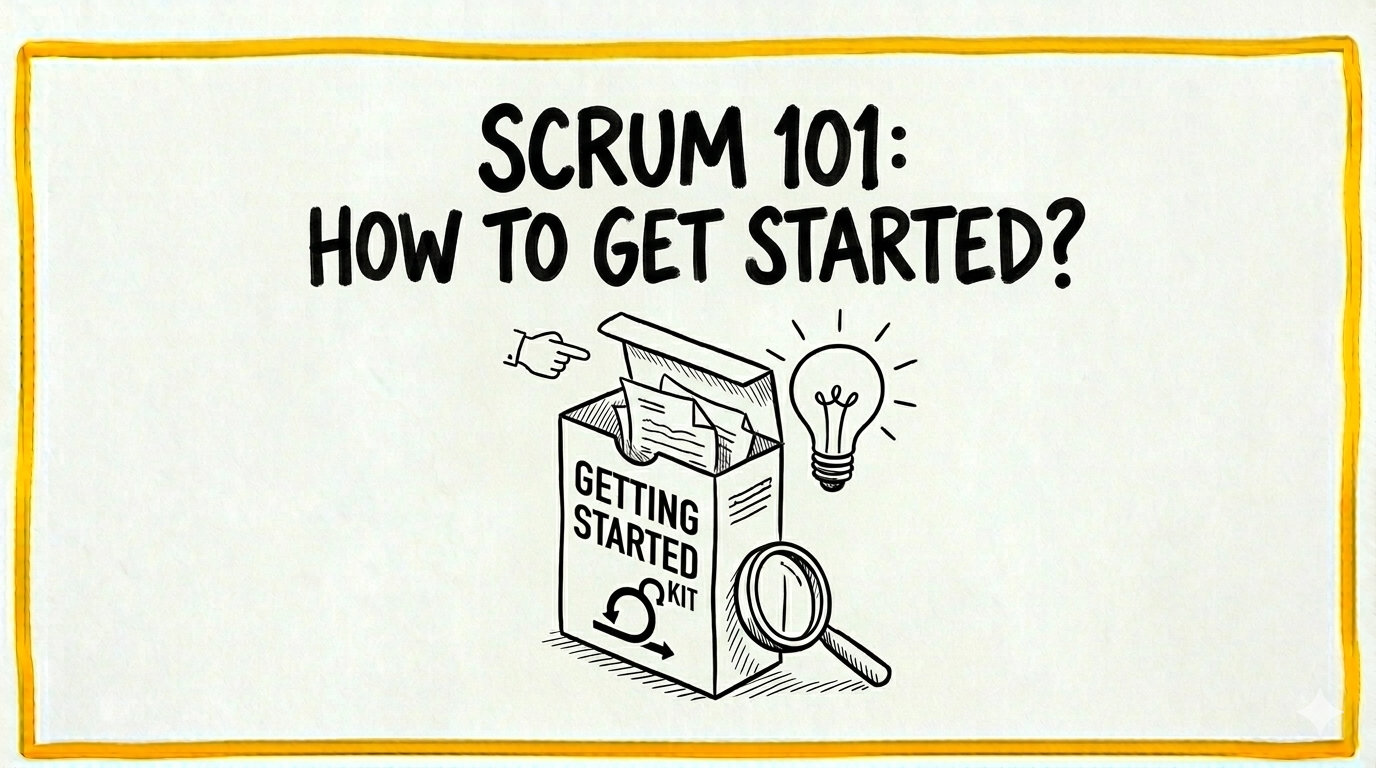
Comprehensive Scrum training. Cover roles, events, artifacts, and the Scrum framework for teams new to Scrum.
2 days
Full framework deep-dive
Simulated
Sprint experience included
Up to 20
Participants
Cert-ready
PSM I preparation
Scrum is simple to understand and genuinely difficult to implement well. The framework has only a handful of roles, events, artefacts, and their associated commitments — but the gap between teams that follow the ceremony schedule and teams that actually deliver better outcomes through Scrum is enormous.
This two-day workshop covers the complete Scrum framework with a level of depth and practical application that most Scrum training never achieves. We go beyond the mechanics to explore the underlying principles — why sprints are timeboxed, what the Sprint Goal actually commits the team to, what it means for a Product Owner to truly own the backlog — so that participants understand not just what to do but why it matters.
The workshop is built around applied exercises. Participants plan and review a simulated sprint, practise facilitating each ceremony, and work through the specific dysfunction scenarios they will encounter in their real teams.
Best For
For new Scrum teams beginning their first sprint, for teams that have been "doing Scrum" for months but have plateaued, for teams preparing for PSM or PSPO certification, or for organisations where different teams have developed very different interpretations of Scrum and need to align.
Describe and apply the complete Scrum framework: roles, events, artefacts, and commitments
Understand and apply the Sprint Goal as the primary team commitment, not the sprint backlog
Facilitate each Scrum ceremony with the appropriate structure, timebox, and outcome
Write effective user stories with meaningful acceptance criteria that the whole team can work with
Manage and refine a product backlog using ordering principles grounded in business value
Measure and interpret team velocity without turning it into a performance target
Identify and respond to the most common Scrum anti-patterns and dysfunctions
Distinguish between what the Scrum Guide prescribes and what is team-specific adaptation
Sprint Planning producing a list of tasks rather than a Sprint Goal-driven commitment
Daily Scrum functioning as a status report to the Scrum Master rather than peer coordination
Sprint Reviews that are demos of features rather than inspection of progress toward the Product Goal
Retrospectives following the same format every sprint and producing diminishing returns
Product backlog that is a flat, unordered list of requests rather than a strategically sequenced investment portfolio
Definition of Done treated as aspirational rather than as a quality gate every item must pass
Scrum Master role misunderstood as project manager, secretary, or meeting organiser
Empiricism, the three pillars, the five values, and why the framework is structured the way it is. We establish a shared understanding of Scrum as a framework for solving complex problems, not a delivery assembly line.
Product Owner, Scrum Master, and Developers in depth. We work through the specific accountabilities, the interactions between roles, and the most common role confusion and boundary violations.
A hands-on sprint planning exercise where participants draft a Sprint Goal, select backlog items, and decompose them into a sprint plan. The exercise surfaces planning dysfunctions in a safe environment.
Each remaining ceremony in depth, with facilitated role-plays and explicit focus on the purpose of each event. We practise facilitation techniques for each ceremony format.
The Product Backlog, Sprint Backlog, and Increment in depth, including commitment construction. The session closes with the 15 most common Scrum dysfunctions and specific countermeasures for each.
The Scrum Guide with facilitation notes and practitioner commentary
Sprint simulation workbook — scenario used in the workshop for ongoing team reference
Ceremony facilitation guides for every Scrum event
User story writing guide with examples, anti-patterns, and acceptance criteria templates
Definition of Done construction workshop template
Scrum anti-patterns field guide — how to recognise and address 15 common dysfunctions
Quick Facts
Topics Covered
What to expect
Active, participatory sessions — never just PowerPoint. Expect tools, exercises, and real takeaways you can use on Monday.
Get Started
Let's find out together how this workshop fits your team.
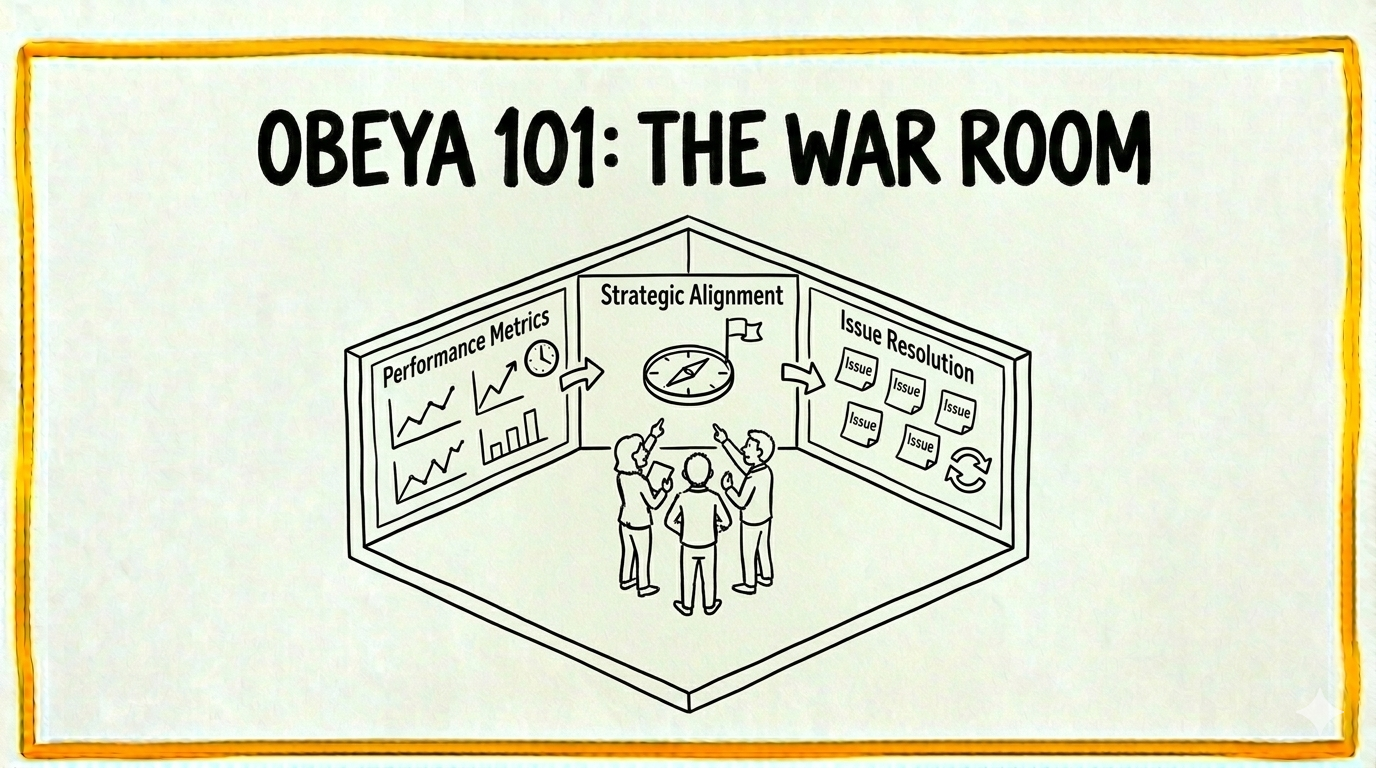 Workshop
Master the art of visual management.
Learn the fundamentals of Obeya rooms and visual management. Create effective information radiators for your organization.
Teams wanting to implement Obeya visual management.
1 day
In Person / Virtual
Up to 15 participants
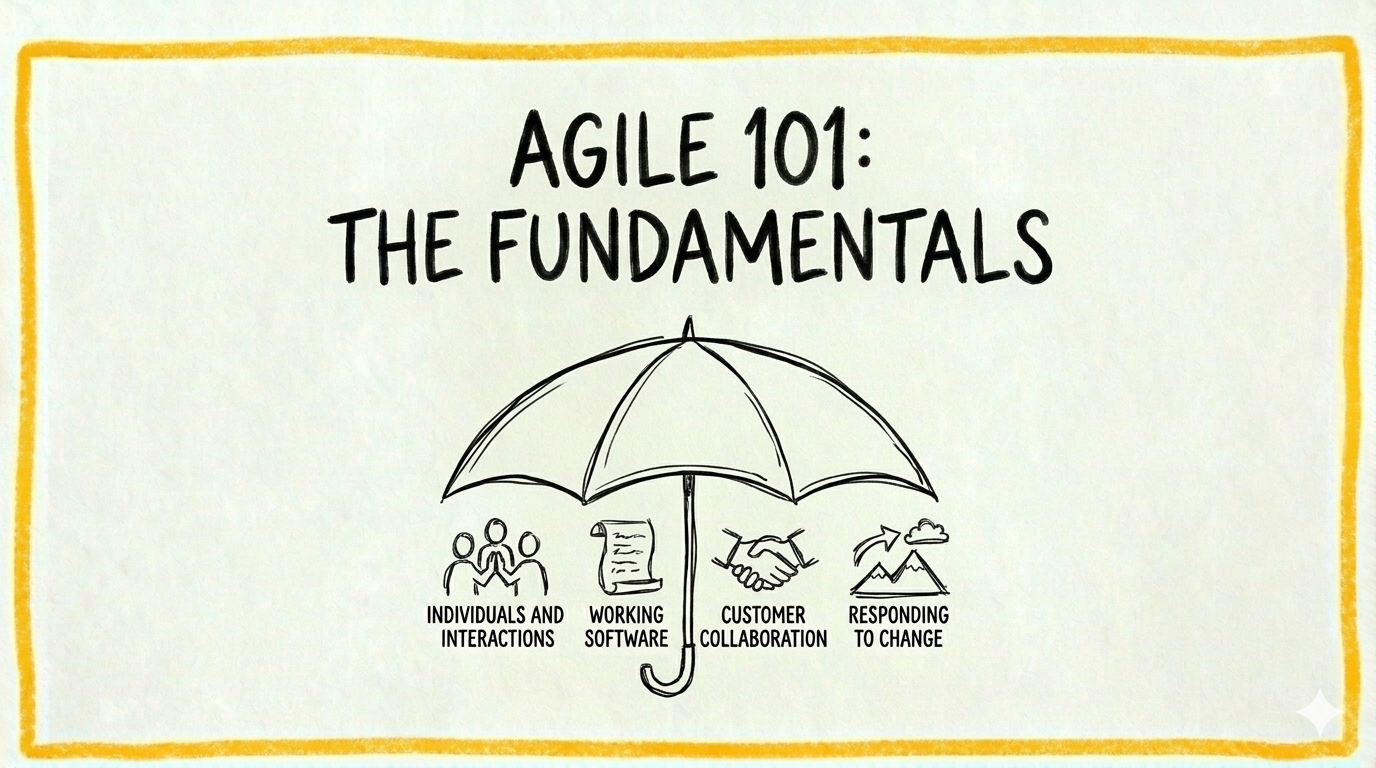 Workshop
Build a solid agile foundation.
Comprehensive agile fundamentals training. Cover Scrum, Kanban, and agile principles for teams new to agile.
Teams new to agile or needing a refresher.
2 days
In Person / Virtual
Up to 20 participants
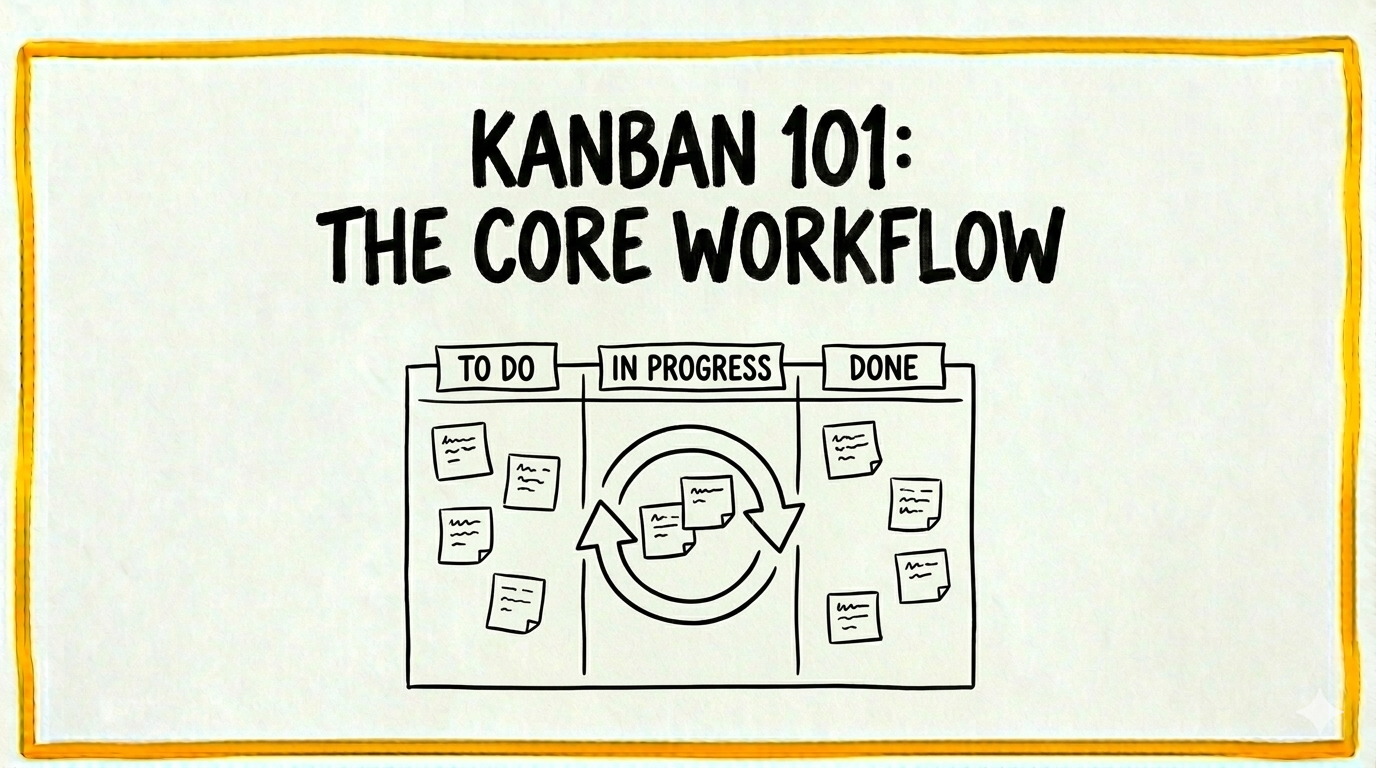 Workshop
Optimize flow with Kanban.
Learn Kanban fundamentals and practices. Optimize workflow, limit work in progress, and improve flow efficiency.
Teams wanting to implement or improve Kanban.
1 day
In Person / Virtual
Up to 15 participants
 Workshop
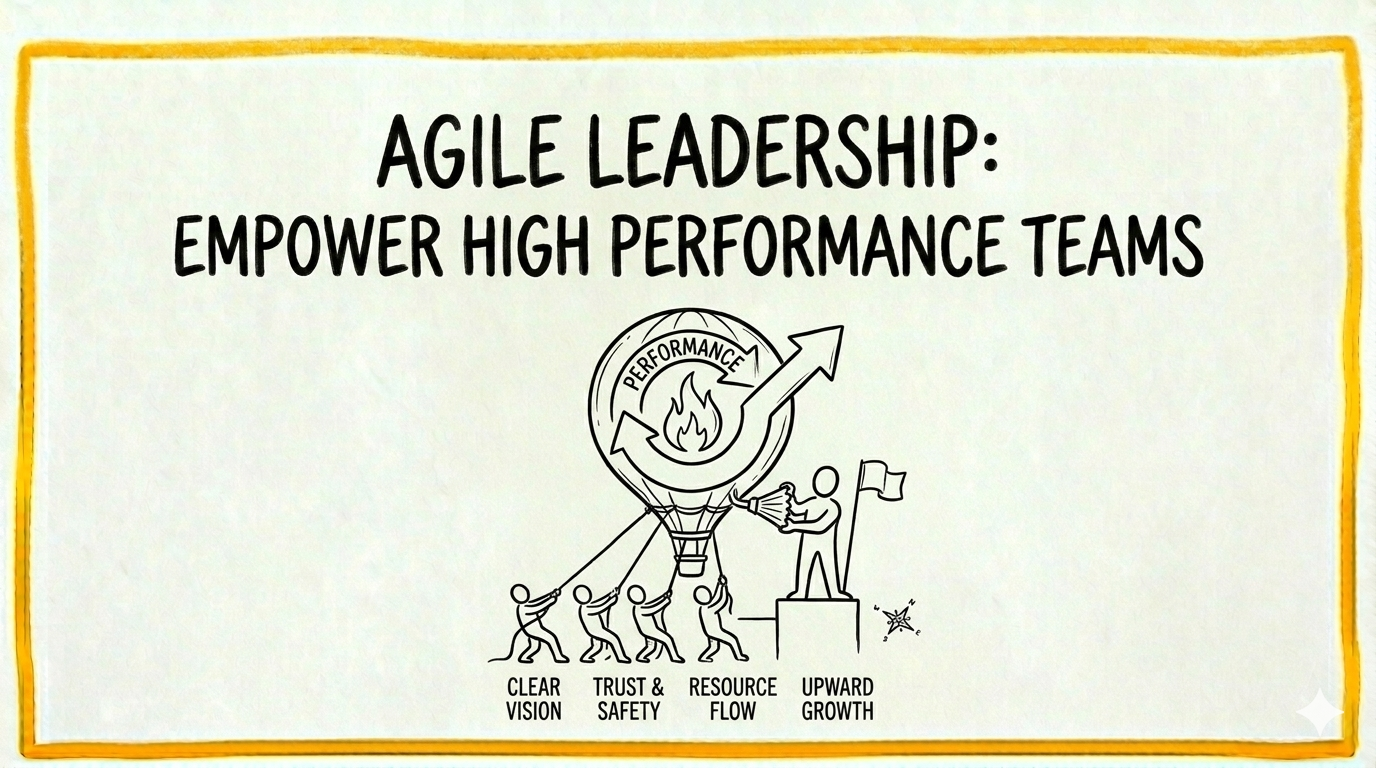
Lead agile transformation effectively.
Leadership training for agile environments. Learn how to lead, support, and enable agile teams and transformation.
Leaders managing agile teams or transformations.
2 days
In Person / Virtual
Up to 12 participants
 Workshop
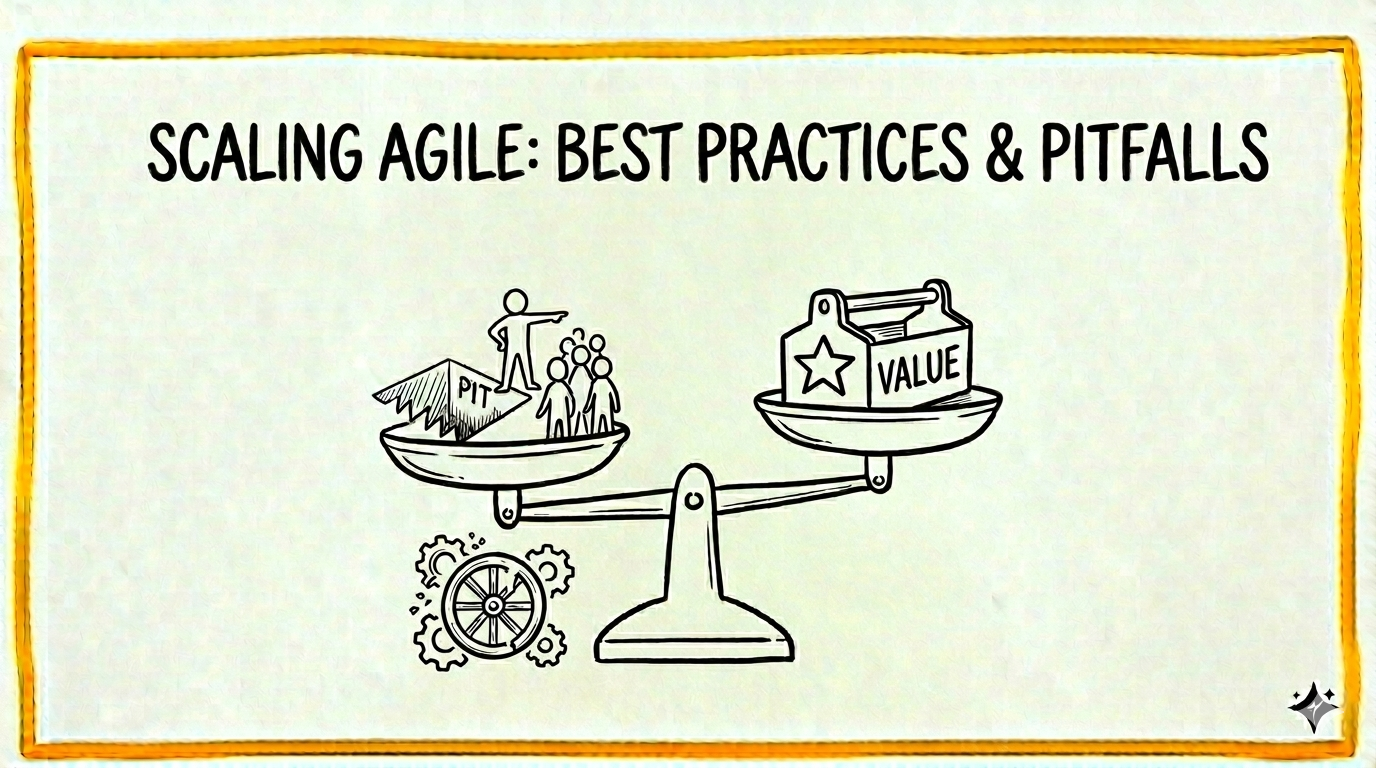
Scale collaboration and delivery across multiple teams.
Understand how to scale agile across multiple teams. Explore SAFe, LeSS, Scrum at Scale, and team of teams topology.
Product and engineering leadership, agile coaches, scrum masters.
2 days
In Person / Virtual
Up to 16 participants
 Workshop
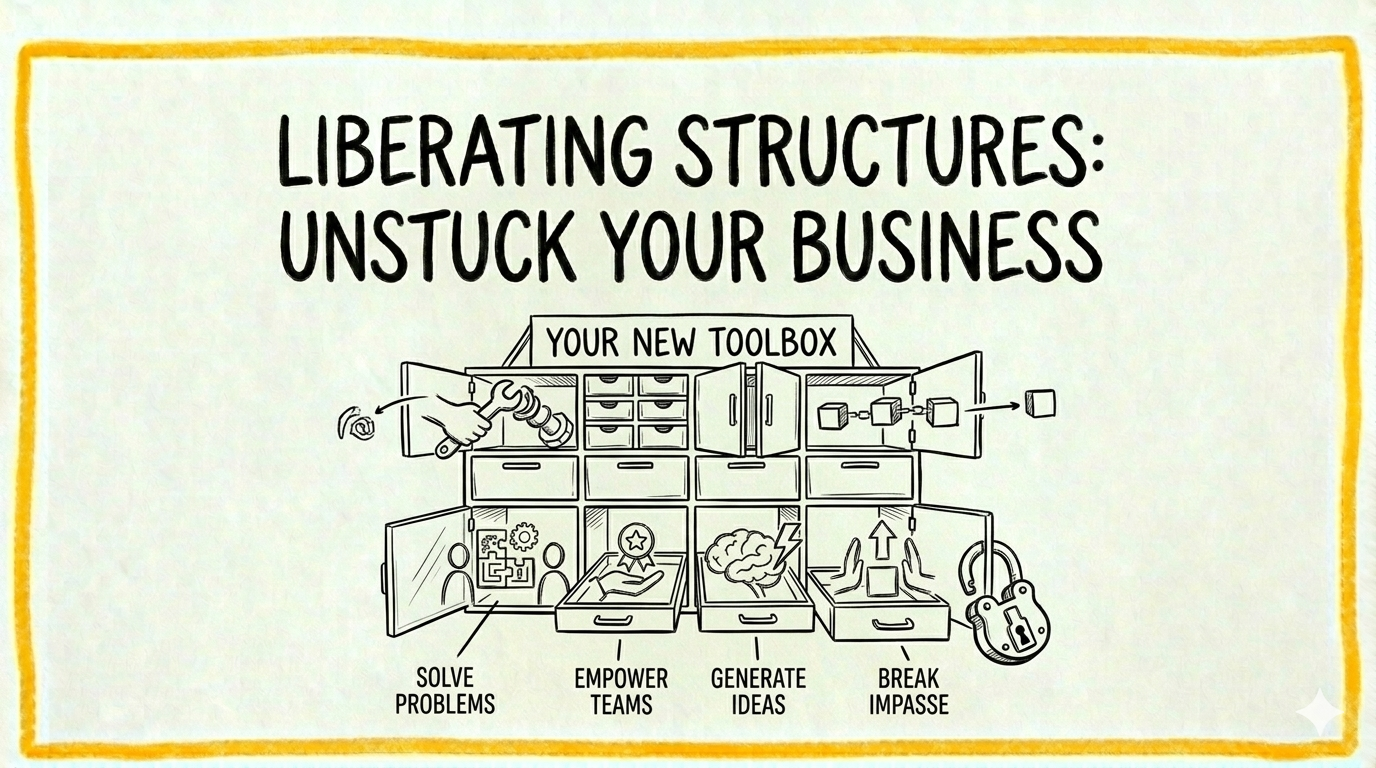
Enabling 100% inclusion, engagement, and collaboration.
Ditch the status updates and dry meetings. Use Liberating Structures to unleash creative solutions from everyone in your organization.
Leaders, facilitators, agile coaches, and teams seeking high-engagement collaboration.
1 day
In Person / Virtual
Up to 24 participants
 Workshop
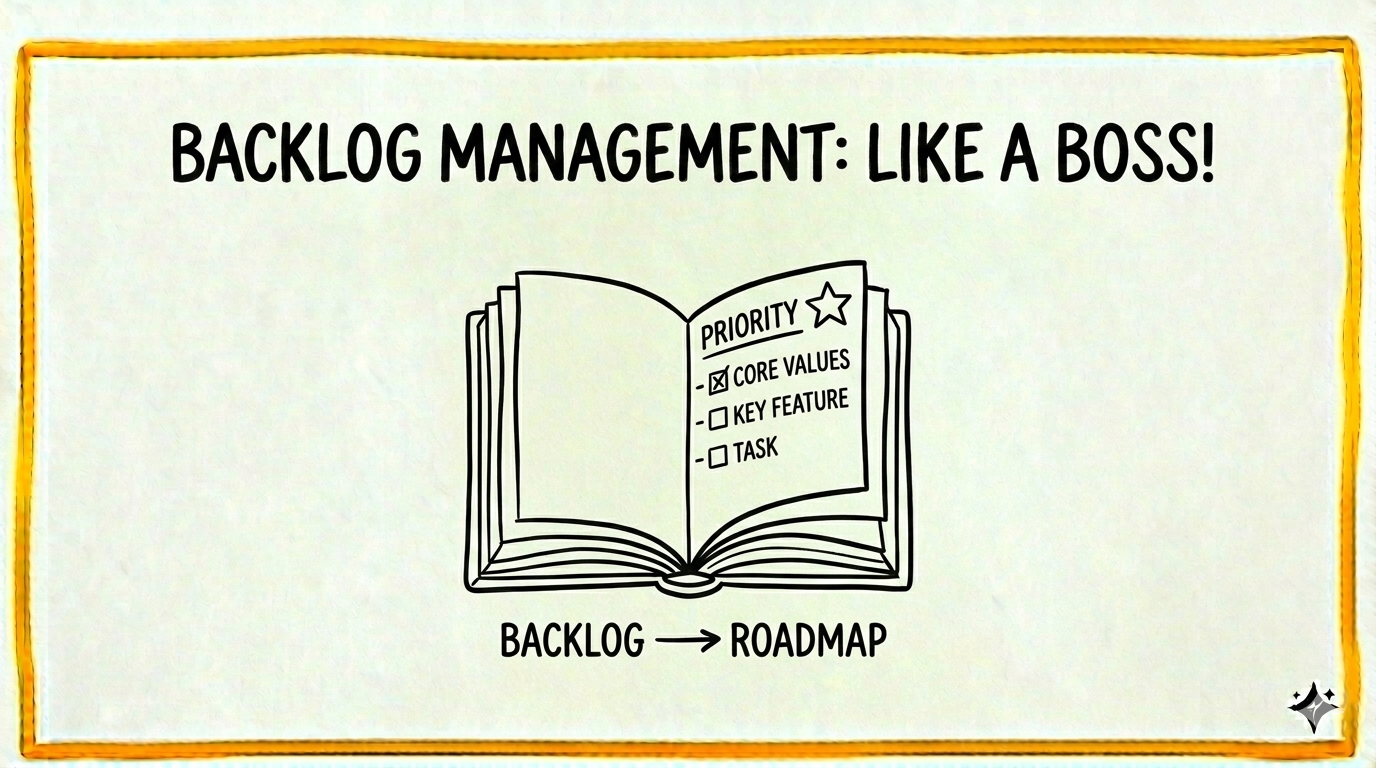
From a cluttered wish-list to a high-velocity value engine.
Stop drowning in hundreds of stale, unprioritized tickets. Learn how to craft a lean, highly strategic, and actionable backlog that teams love to build.
Product owners, product managers, business analysts, and engineering leaders.
1 day
In Person / Virtual
Up to 16 participants