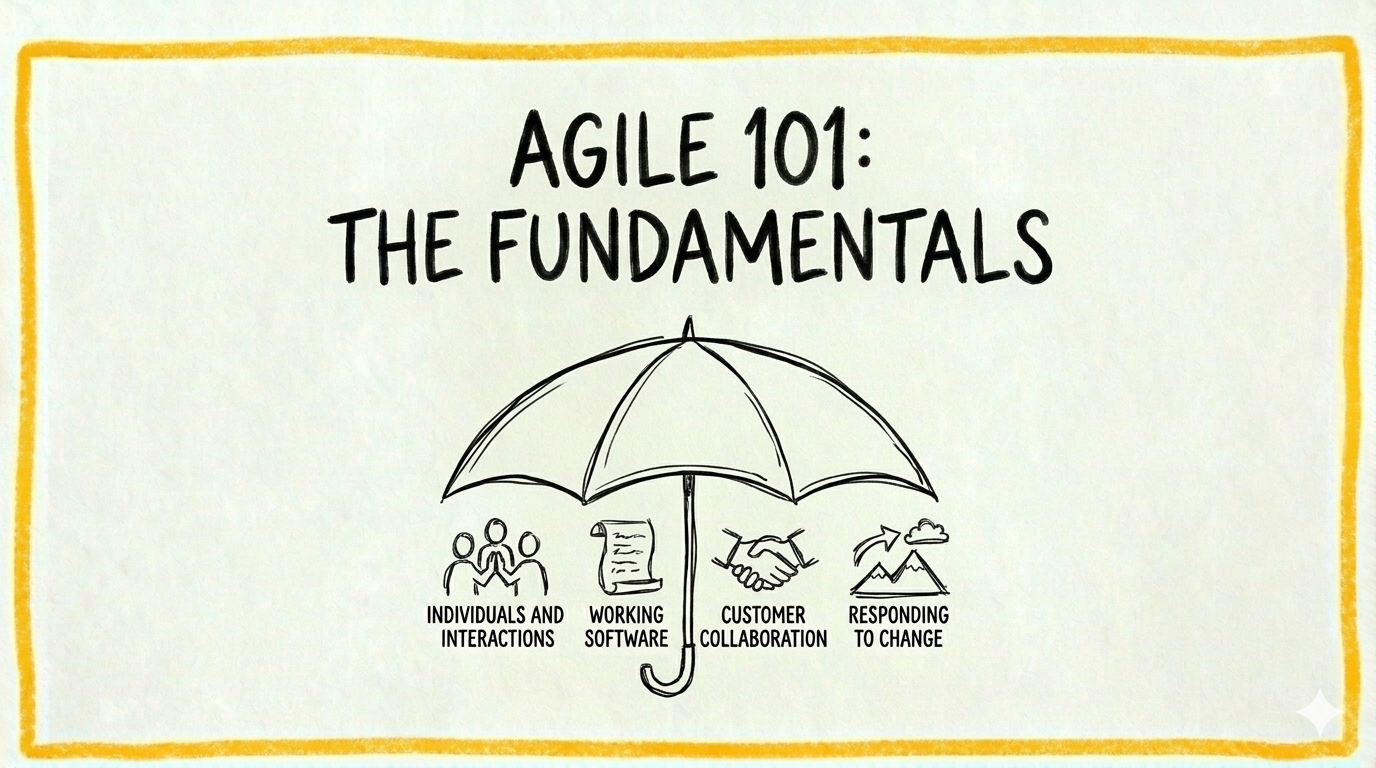
Comprehensive agile fundamentals training. Cover Scrum, Kanban, and agile principles for teams new to agile.
2 days
Comprehensive foundation
Scrum + Kanban
Both frameworks covered
Up to 20
Participants
Practical
Exercises throughout
Agile is not a methodology. It is a mindset, expressed through a set of values and principles that fundamentally change how teams organise their work and how organisations relate to uncertainty. The frameworks — Scrum, Kanban, XP, and the many others — are means to that end, not the end itself.
This two-day workshop builds a genuine agile foundation: understanding why agile exists, what problems it was designed to solve, and how different frameworks apply to different contexts. Participants work through real scenarios, not abstract theory, and leave with the ability to evaluate agile practices critically rather than implement them by rote.
The workshop covers Scrum and Kanban in depth, with a practical introduction to agile metrics, retrospective facilitation, and the most common failure modes that undermine teams in their first six months of agile adoption.
Best For
For teams beginning their agile journey, teams that have been "doing agile" for a while but suspect they are missing the point, or mixed groups of engineering, product, and business stakeholders who need to build a shared vocabulary and set of expectations.
Understand the Agile Manifesto, its values and principles, and why they matter in practice
Distinguish between the Scrum and Kanban frameworks and know when to apply each
Define and work with agile roles: Product Owner, Scrum Master, and Development Team
Plan, execute, and review a sprint using all Scrum ceremonies correctly
Use a Kanban board to visualise work, identify flow issues, and apply WIP limits
Measure agile delivery using velocity, cycle time, and throughput without becoming obsessed with metrics
Identify and respond to the most common agile adoption failure patterns
Run an effective retrospective that produces real team improvement
Teams going through the motions of agile ceremonies without understanding their purpose
Engineers and product managers using the same words to mean completely different things
Leadership expecting agile to mean "faster" without understanding the trade-offs involved
Retrospectives devolving into complaints sessions with no structural improvement
Sprint planning producing commitments based on optimism rather than empirical capacity
Mixed-experience teams where some members have deep knowledge and others have none
Organisations that have implemented Scrum but never experienced what good actually looks like
The origin of agile, the Manifesto values and principles, and the specific problems agile was designed to solve. We explore what agile is not, and discuss the environments where it thrives versus where it struggles.
Roles, events, artefacts, and the commitments. Participants work through a simulated sprint — planning, execution, and review — experiencing the framework as a complete system rather than a set of isolated ceremonies.
Story points, planning poker, capacity planning, and the relationship between velocity and sprint commitment. We address the most common planning dysfunctions and how to avoid them.
Visualisation, WIP limits, flow metrics, and the class of service model. Participants design a Kanban system for a real scenario and practise identifying and resolving flow issues.
Which metrics to track and which to ignore, how to run retrospectives that produce genuine improvement, and the 10 most common agile adoption failure modes with specific countermeasures.
Comprehensive participant workbook with frameworks, checklists, and reference guides
Scrum events facilitation guide — how to run every ceremony well
Kanban system design template for your team
Agile metrics reference card — what to measure, how, and what to do with the data
Retrospective formats library — 12 formats for different team needs and situations
Team agile health self-assessment tool
Quick Facts
Topics Covered
What to expect
Active, participatory sessions — never just PowerPoint. Expect tools, exercises, and real takeaways you can use on Monday.
Get Started
Let's find out together how this workshop fits your team.
 Workshop
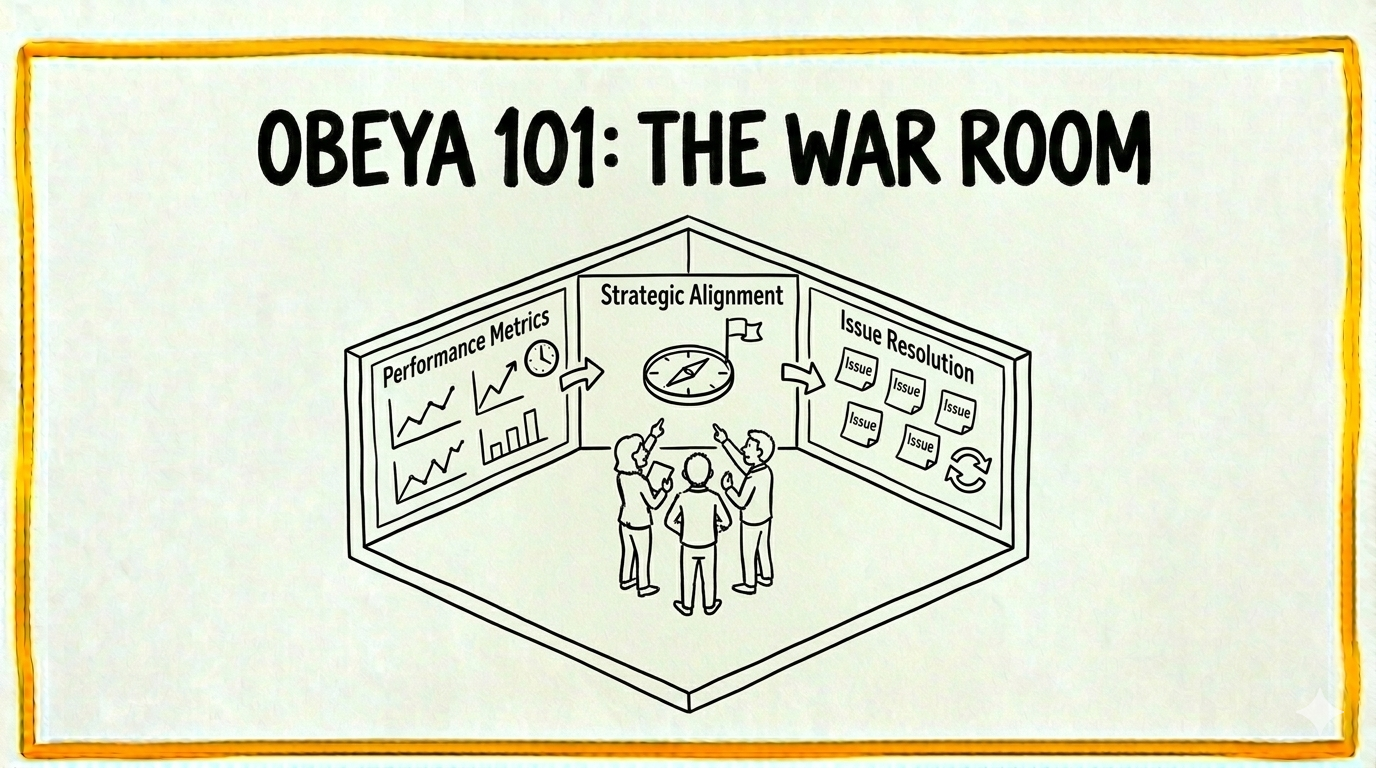
Master the art of visual management.
Learn the fundamentals of Obeya rooms and visual management. Create effective information radiators for your organization.
Teams wanting to implement Obeya visual management.
1 day
In Person / Virtual
Up to 15 participants
 Workshop
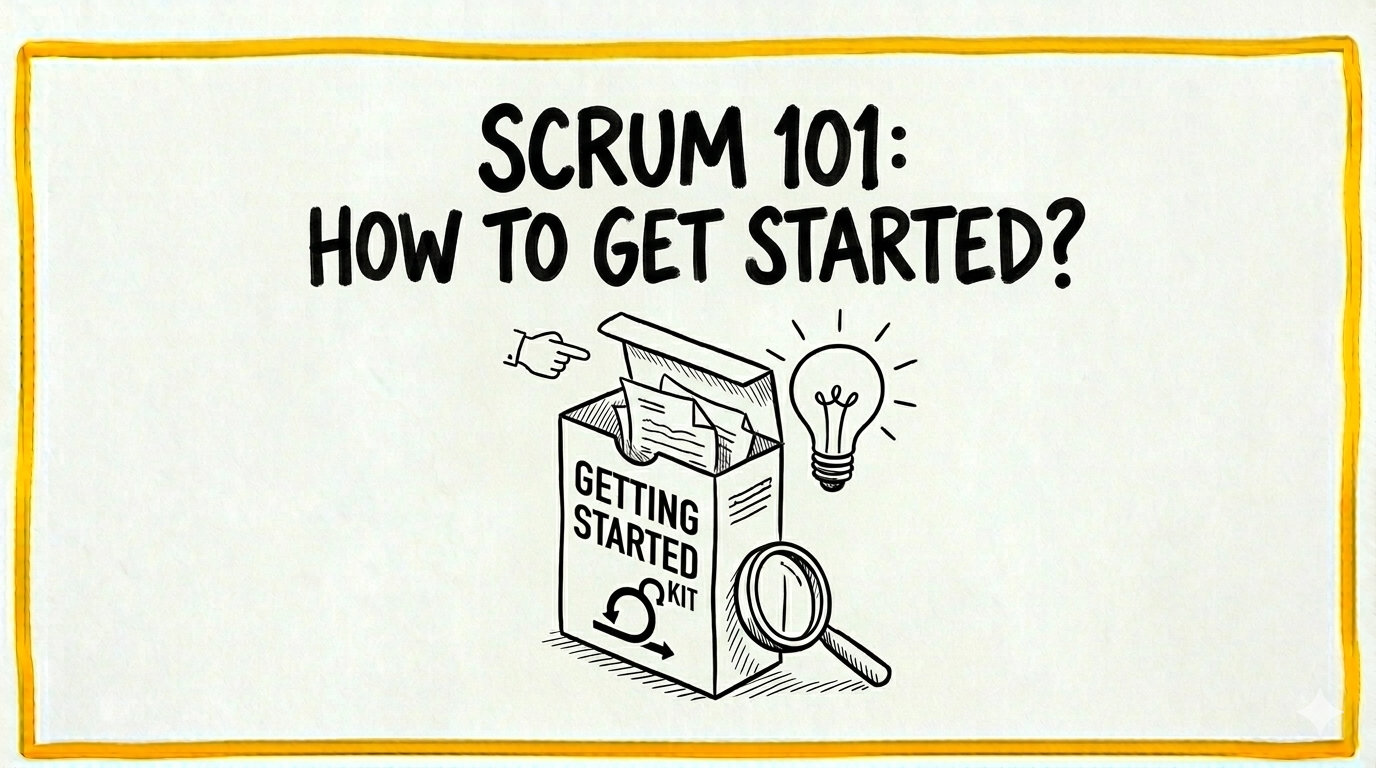
Master Scrum fundamentals.
Comprehensive Scrum training. Cover roles, events, artifacts, and the Scrum framework for teams new to Scrum.
Teams new to Scrum or needing a refresher.
2 days
In Person / Virtual
Up to 20 participants
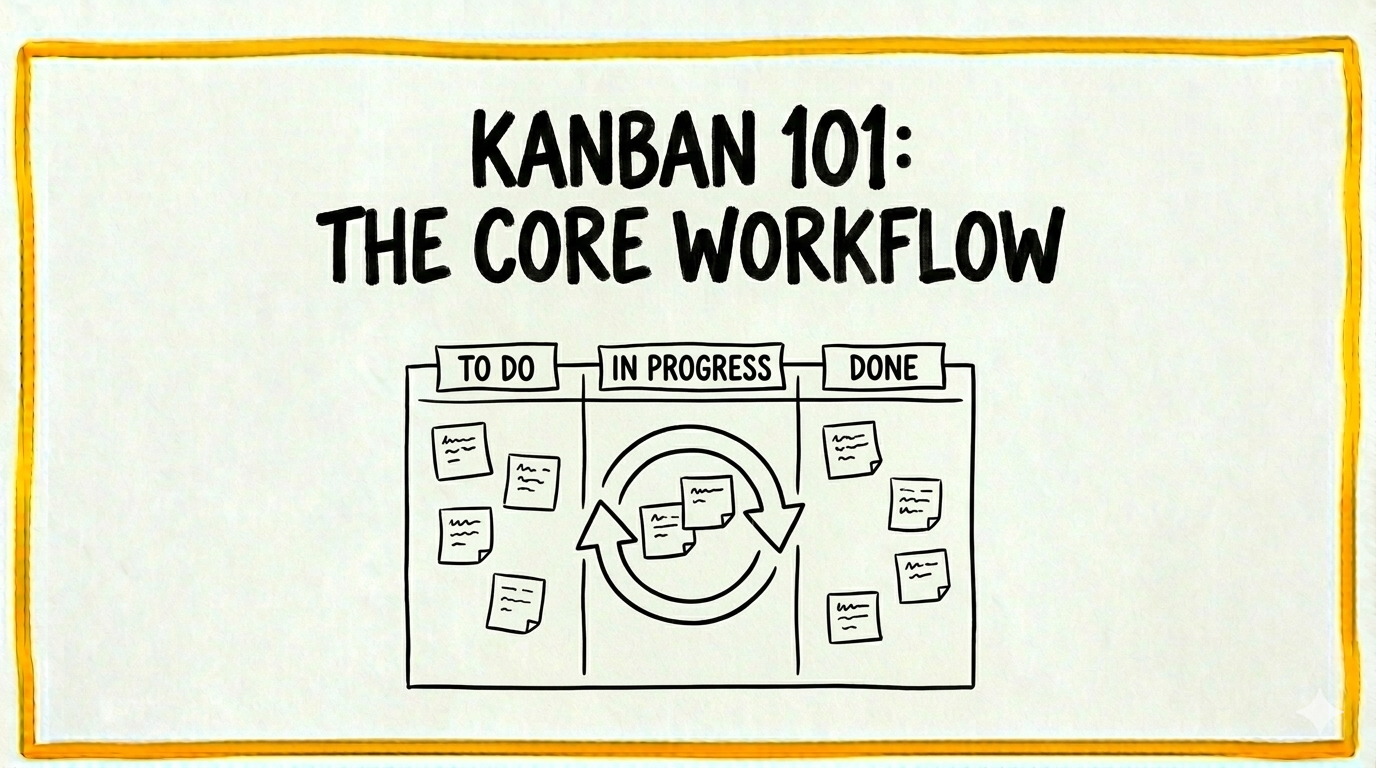 Workshop
Optimize flow with Kanban.
Learn Kanban fundamentals and practices. Optimize workflow, limit work in progress, and improve flow efficiency.
Teams wanting to implement or improve Kanban.
1 day
In Person / Virtual
Up to 15 participants
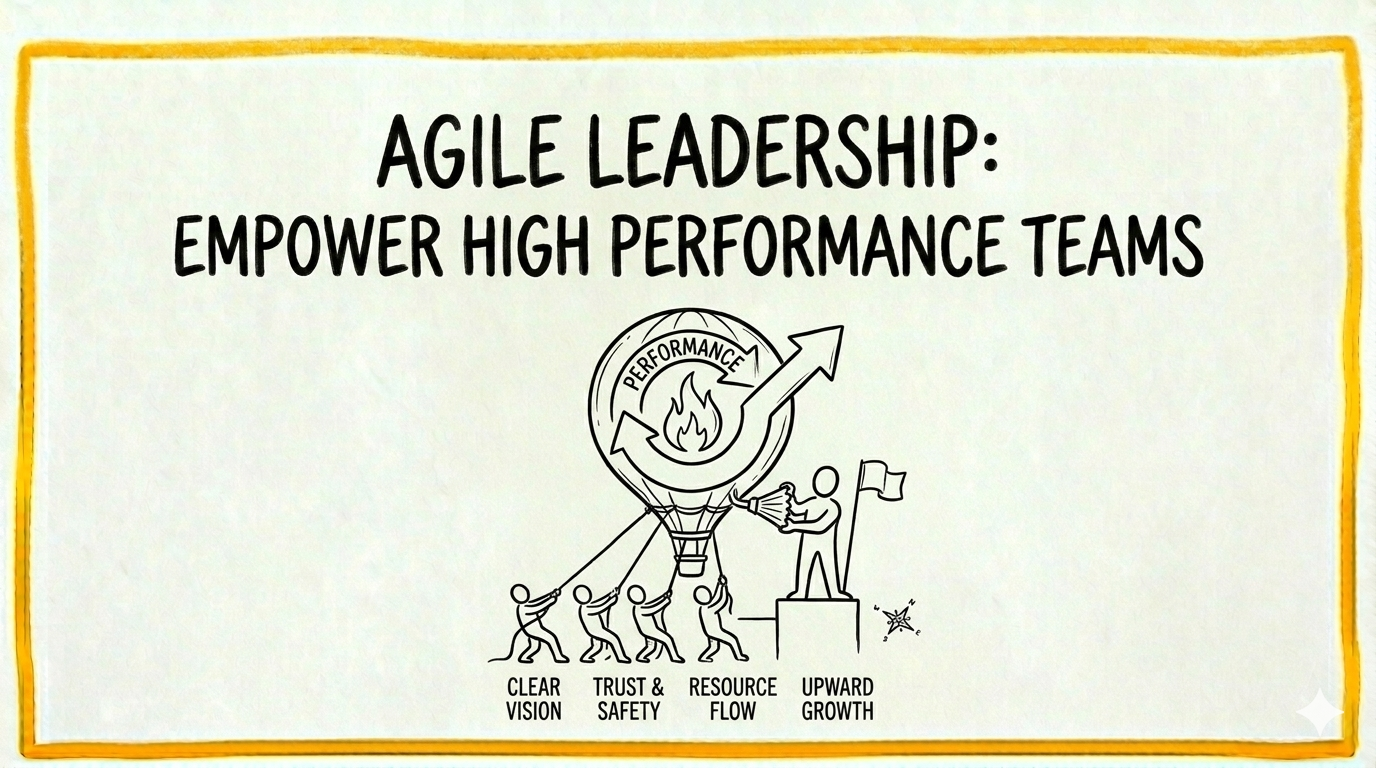 Workshop
Lead agile transformation effectively.
Leadership training for agile environments. Learn how to lead, support, and enable agile teams and transformation.
Leaders managing agile teams or transformations.
2 days
In Person / Virtual
Up to 12 participants
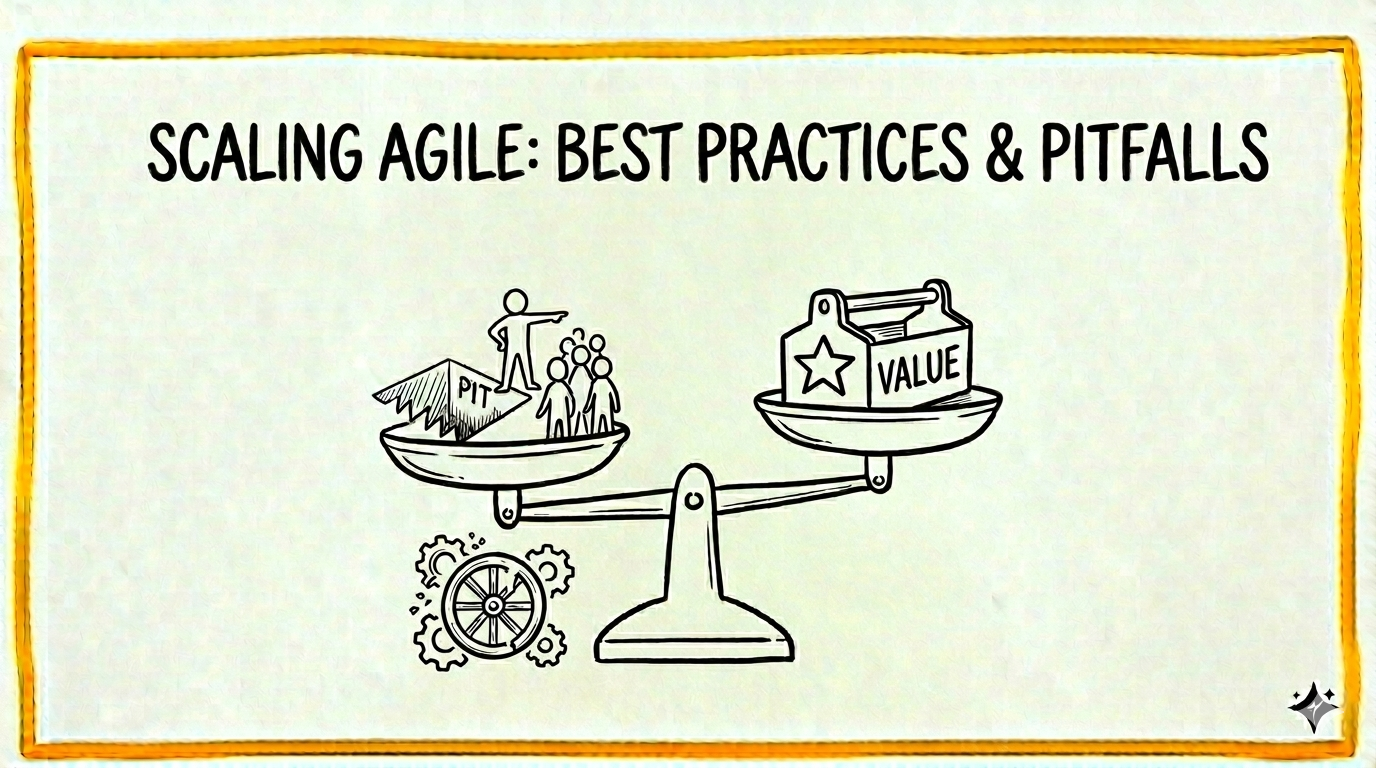 Workshop
Scale collaboration and delivery across multiple teams.
Understand how to scale agile across multiple teams. Explore SAFe, LeSS, Scrum at Scale, and team of teams topology.
Product and engineering leadership, agile coaches, scrum masters.
2 days
In Person / Virtual
Up to 16 participants
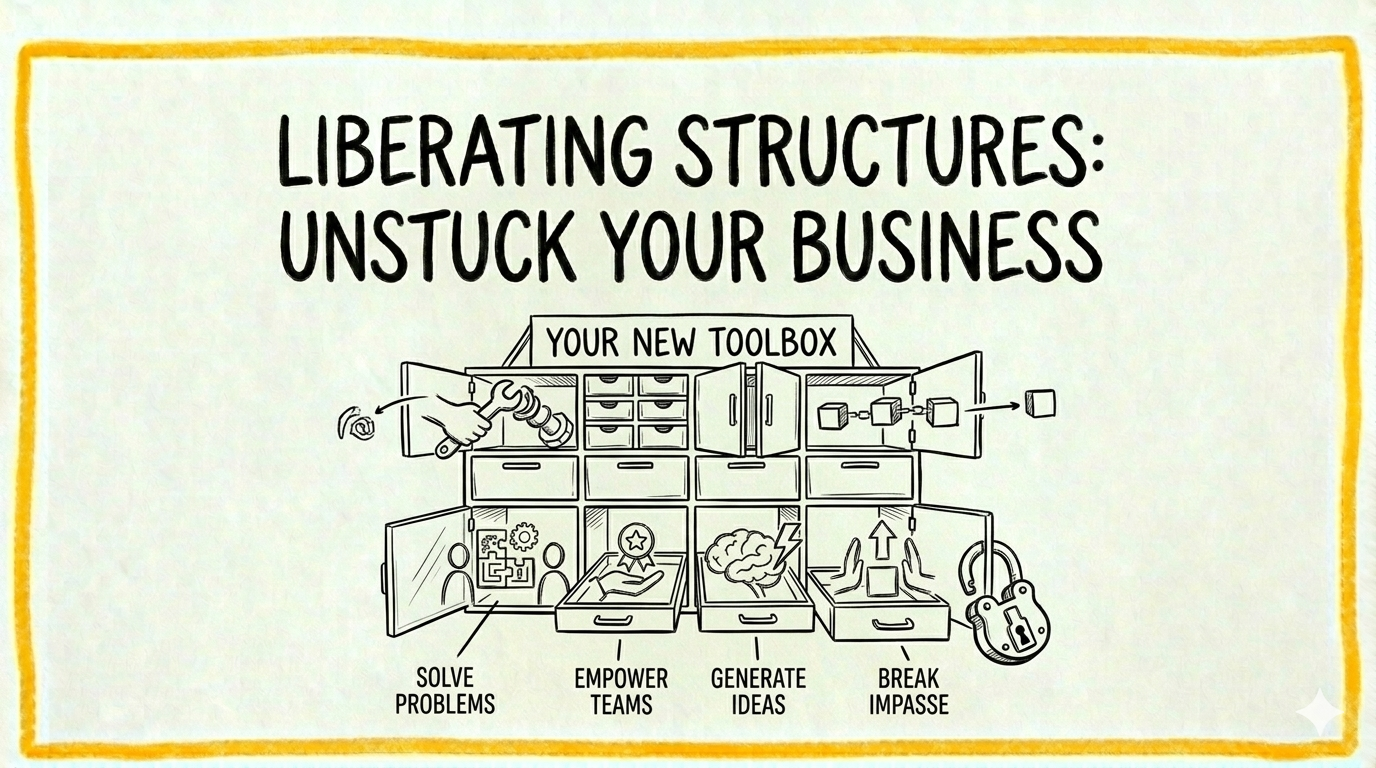 Workshop
Enabling 100% inclusion, engagement, and collaboration.
Ditch the status updates and dry meetings. Use Liberating Structures to unleash creative solutions from everyone in your organization.
Leaders, facilitators, agile coaches, and teams seeking high-engagement collaboration.
1 day
In Person / Virtual
Up to 24 participants
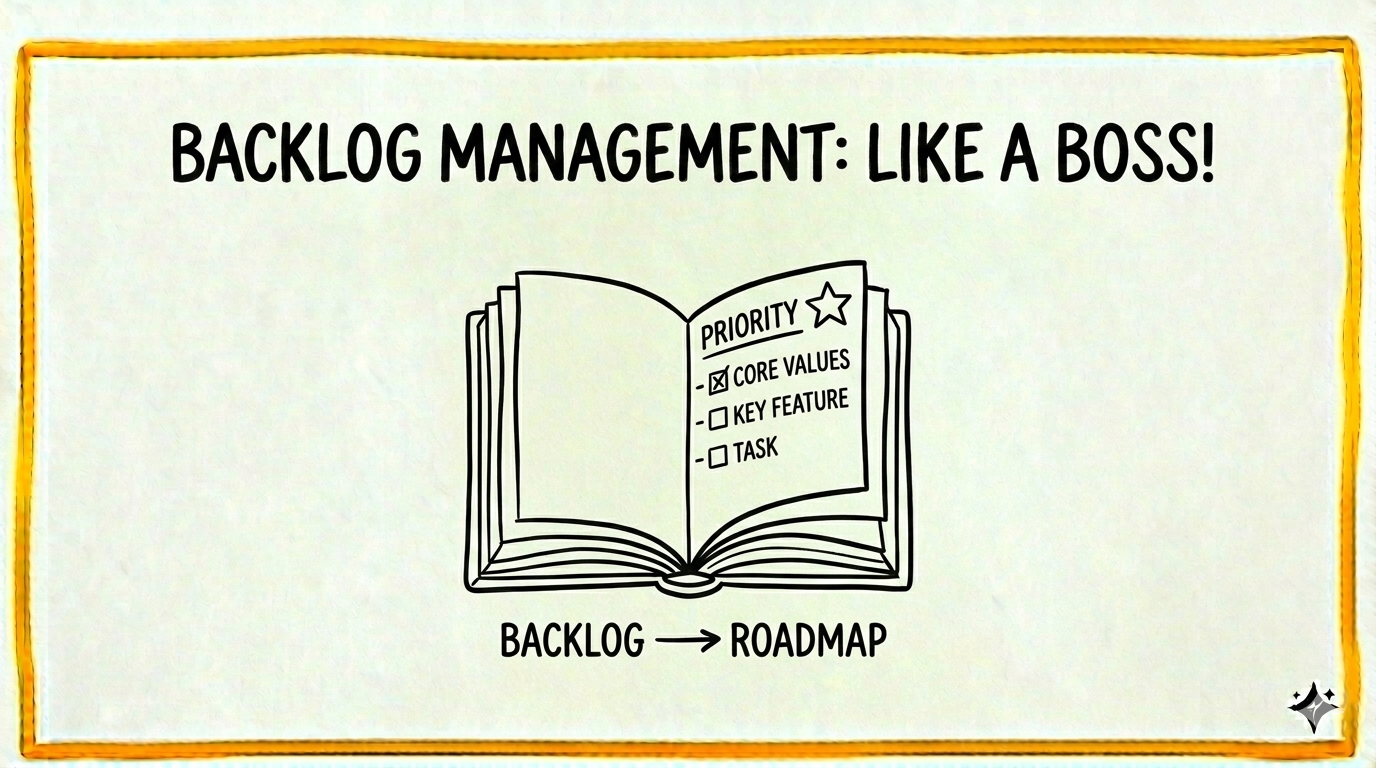 Workshop
From a cluttered wish-list to a high-velocity value engine.
Stop drowning in hundreds of stale, unprioritized tickets. Learn how to craft a lean, highly strategic, and actionable backlog that teams love to build.
Product owners, product managers, business analysts, and engineering leaders.
1 day
In Person / Virtual
Up to 16 participants