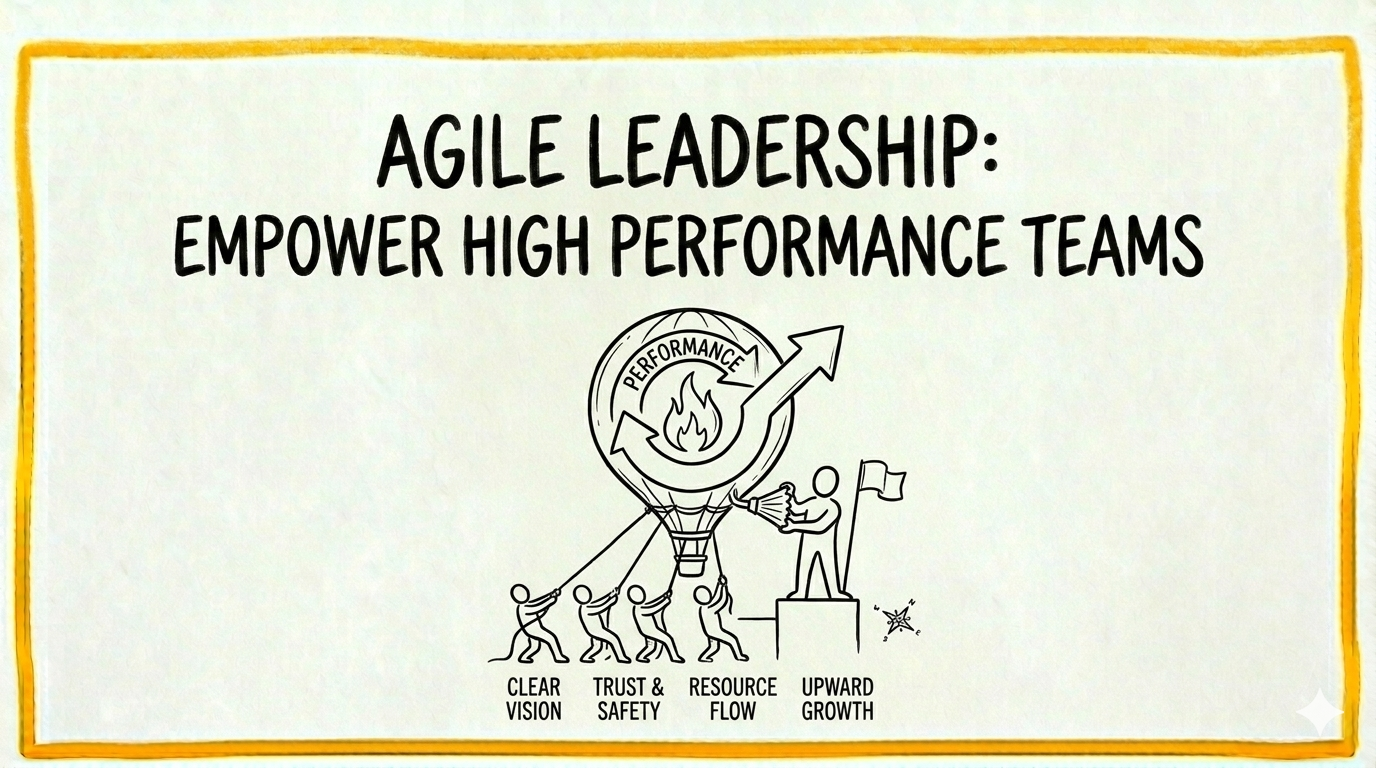
Leadership training for agile environments. Learn how to lead, support, and enable agile teams and transformation.
2 days
Immersive leadership development
Real
Scenarios from your context
Up to 12
Participants
Practical
Monday-morning applicable tools
Leading an agile team is a fundamentally different challenge from leading a traditional team. The command-and-control patterns that produced reliable results in predictable environments actively undermine performance in complex, fast-moving product development. Agile leadership is about creating the conditions for autonomous, high-performing teams — and then getting out of the way.
This two-day workshop is designed for leaders who want to lead effectively in agile environments: understanding when to guide versus when to trust, how to balance strategic oversight with team autonomy, and how to develop the coaching mindset that unlocks team performance.
The content is grounded in real leadership scenarios, not HR theory. Participants work through specific dilemmas they face in their organisations and leave with practical tools and frameworks they can apply on Monday morning.
Best For
For middle and senior managers leading agile teams or transformation programmes, for technical leads moving into management, for executives who want to understand what effective agile oversight looks like, or for any leader who has seen agile implemented but feels uncertain about their own role in making it work.
Understand the difference between traditional and servant leadership and when each is appropriate
Develop a coaching mindset that supports team autonomy without abdicating accountability
Create and maintain psychological safety in your team without sacrificing performance standards
Support agile practices without micromanaging their implementation
Navigate the tension between organisational control needs and team autonomy
Build a culture of continuous improvement and learning from failure
Have honest performance conversations in an agile context
Lead at the portfolio level without undermining delivery team ownership
Leaders defaulting to micromanagement when delivery velocity drops or pressure increases
Agile transformation nominally supported by leadership but undermined by day-to-day management behaviour
Leaders measuring team performance by activity metrics rather than outcomes
Performance reviews and compensation structures that contradict agile team principles
Leaders unable to distinguish between team dysfunction that needs intervention and productive struggle that needs space
Escalation cultures where teams stop owning problems as soon as they get difficult
Leaders who support agile in public but make unilateral technical and priority decisions in private
We begin with an honest assessment of the leadership behaviours that most undermine agile teams, and why well-intentioned leaders fall into these patterns. Participants share and discuss their specific leadership challenges.
The research behind psychological safety and its relationship to team performance, followed by practical tools for assessing and improving safety levels in your specific team context.
Core coaching techniques: powerful questions, active listening, challenge without criticism, and the distinction between coaching, advising, and directing. Participants practise in structured pairs.
How to create genuine accountability in autonomous teams, including goal-setting frameworks, outcome-versus-output measurement, and how to intervene effectively when a team is struggling.
The psychology of change resistance, how to build genuine commitment rather than compliance, and how to sustain agile transformation when the initial enthusiasm fades.
Leadership style self-assessment — where you currently are and where you want to be
Situational leadership framework calibrated to agile team contexts
Psychological safety assessment tool for your team
Coaching conversation guide — question frameworks for common leadership scenarios
Portfolio oversight model — how to maintain strategic visibility without disempowering teams
Personal development plan with specific behavioural commitments and accountability structure
Quick Facts
Topics Covered
What to expect
Active, participatory sessions — never just PowerPoint. Expect tools, exercises, and real takeaways you can use on Monday.
Get Started
Let's find out together how this workshop fits your team.
 Workshop
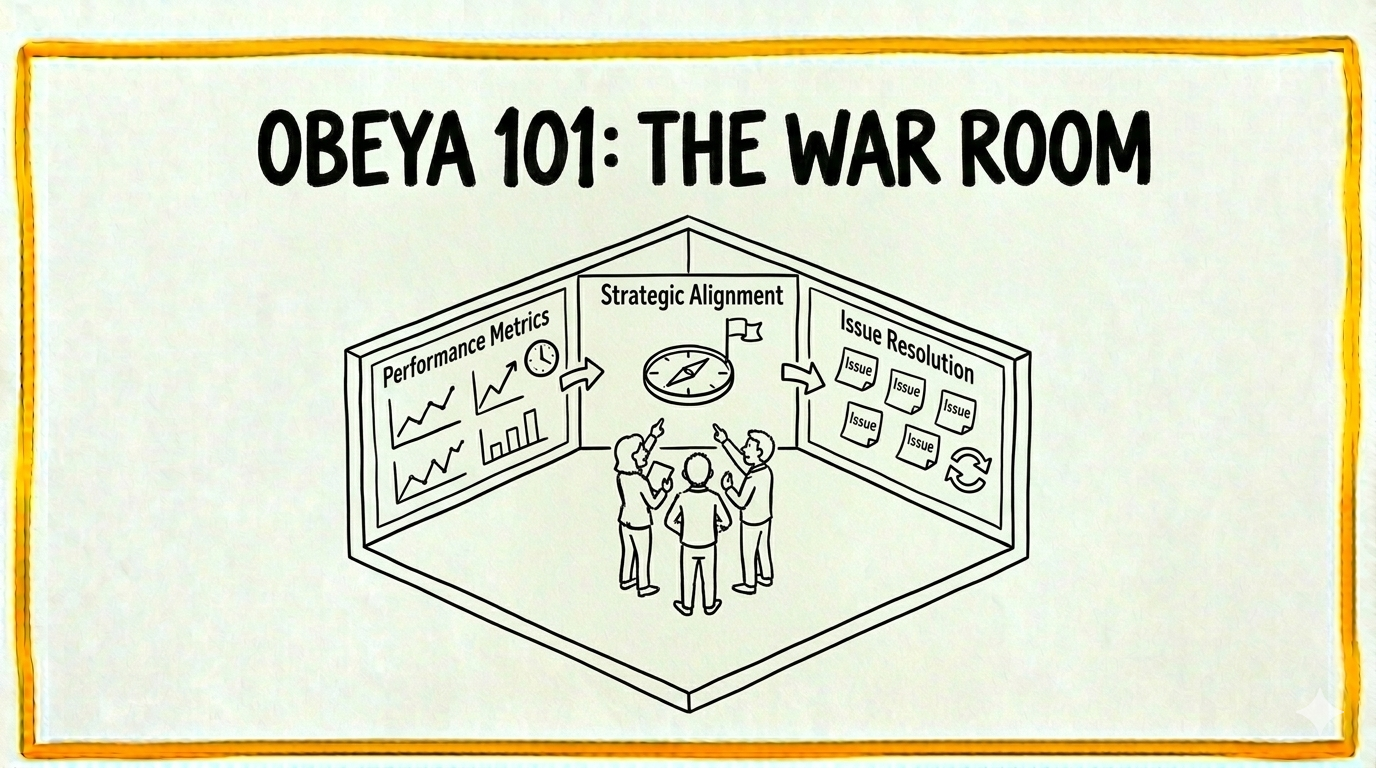
Master the art of visual management.
Learn the fundamentals of Obeya rooms and visual management. Create effective information radiators for your organization.
Teams wanting to implement Obeya visual management.
1 day
In Person / Virtual
Up to 15 participants
 Workshop
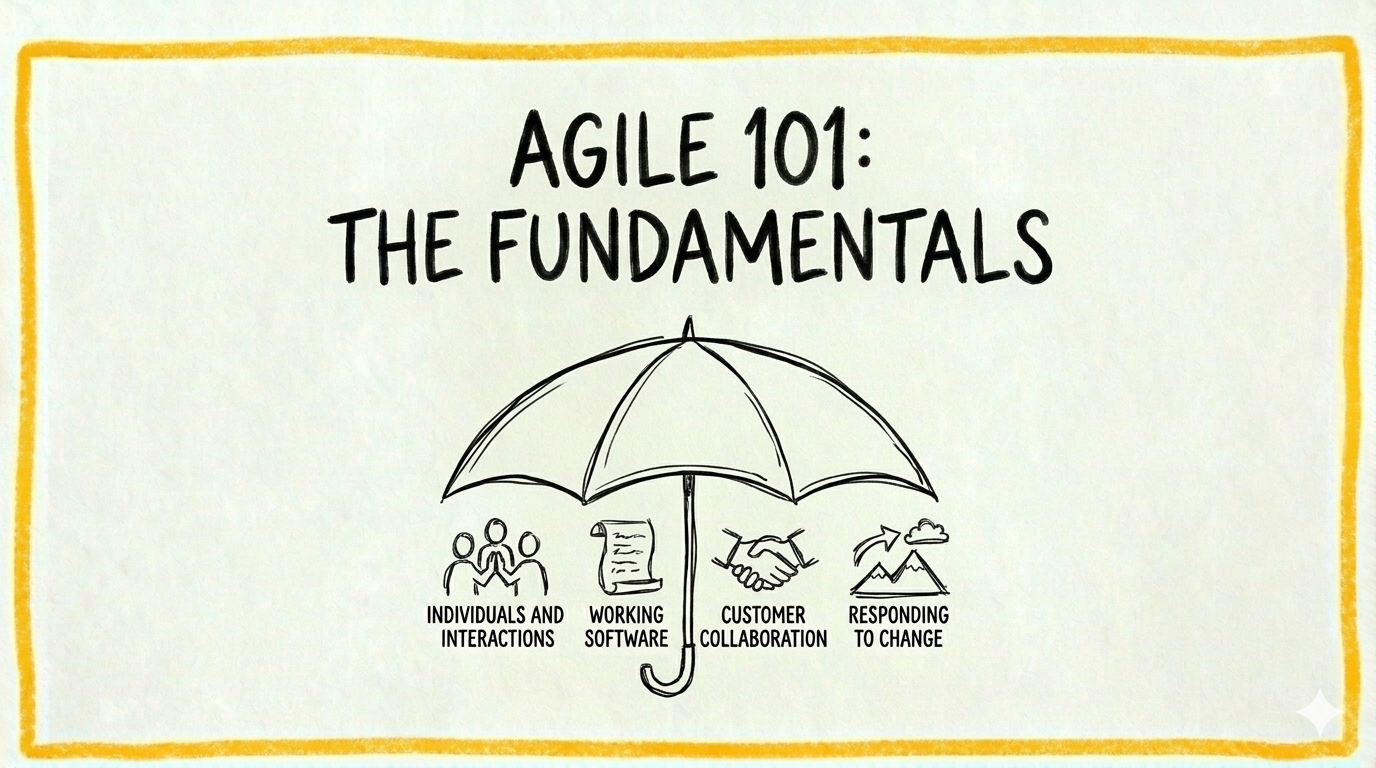
Build a solid agile foundation.
Comprehensive agile fundamentals training. Cover Scrum, Kanban, and agile principles for teams new to agile.
Teams new to agile or needing a refresher.
2 days
In Person / Virtual
Up to 20 participants
 Workshop
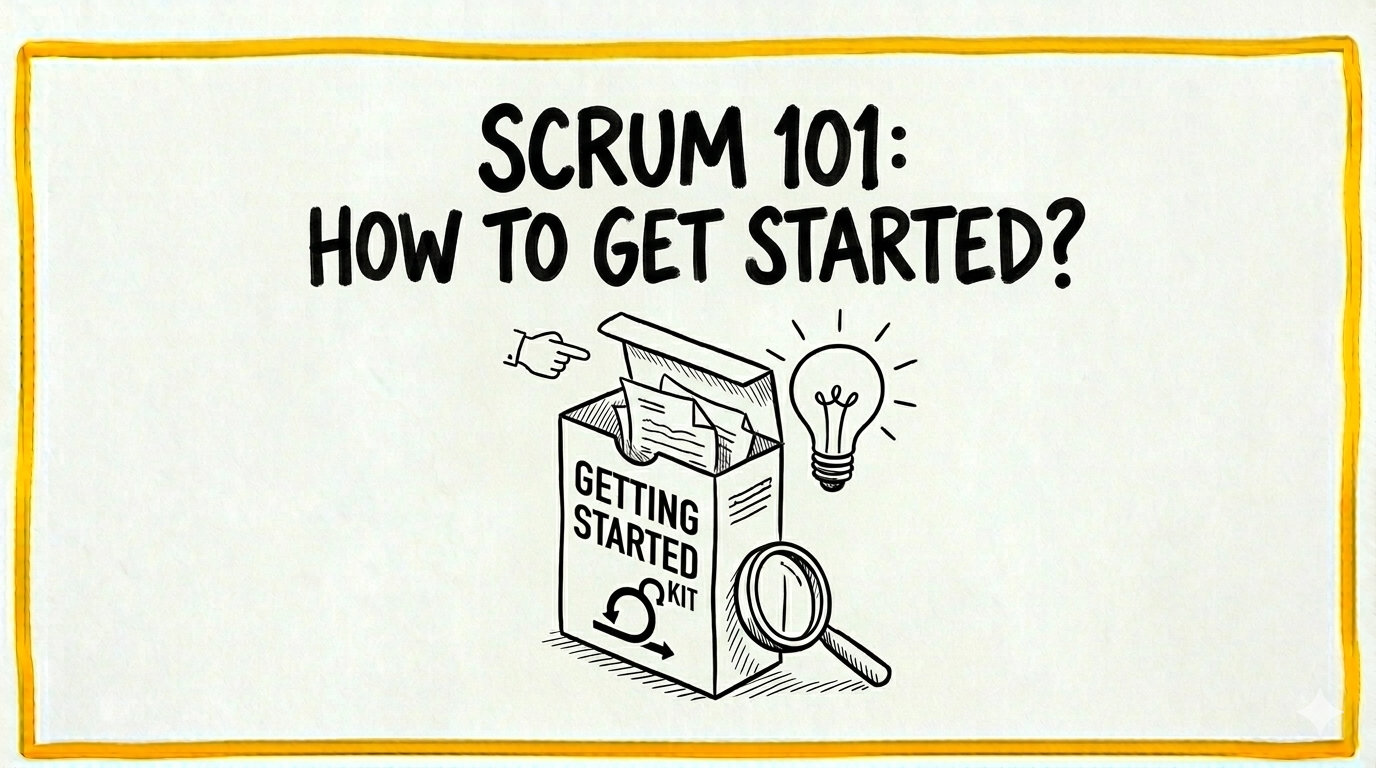
Master Scrum fundamentals.
Comprehensive Scrum training. Cover roles, events, artifacts, and the Scrum framework for teams new to Scrum.
Teams new to Scrum or needing a refresher.
2 days
In Person / Virtual
Up to 20 participants
 Workshop
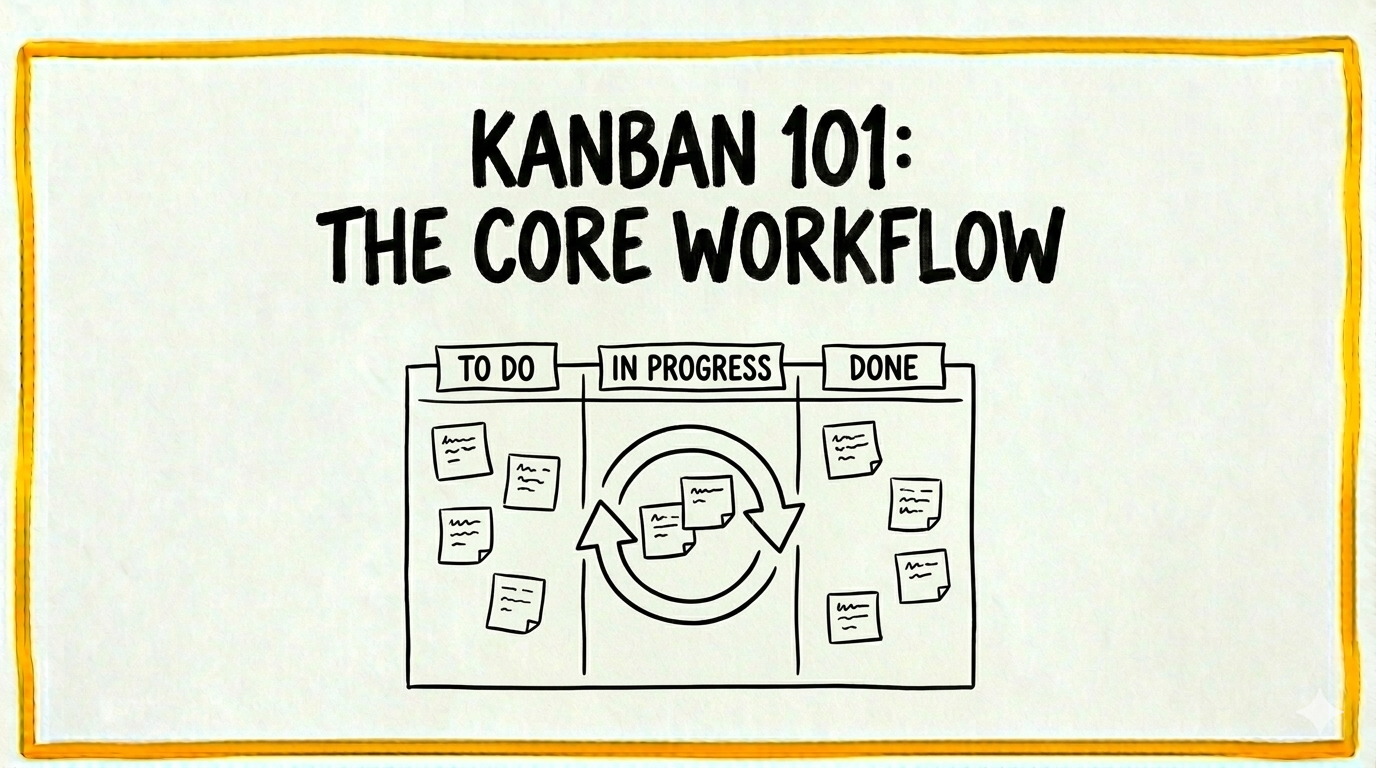
Optimize flow with Kanban.
Learn Kanban fundamentals and practices. Optimize workflow, limit work in progress, and improve flow efficiency.
Teams wanting to implement or improve Kanban.
1 day
In Person / Virtual
Up to 15 participants
 Workshop
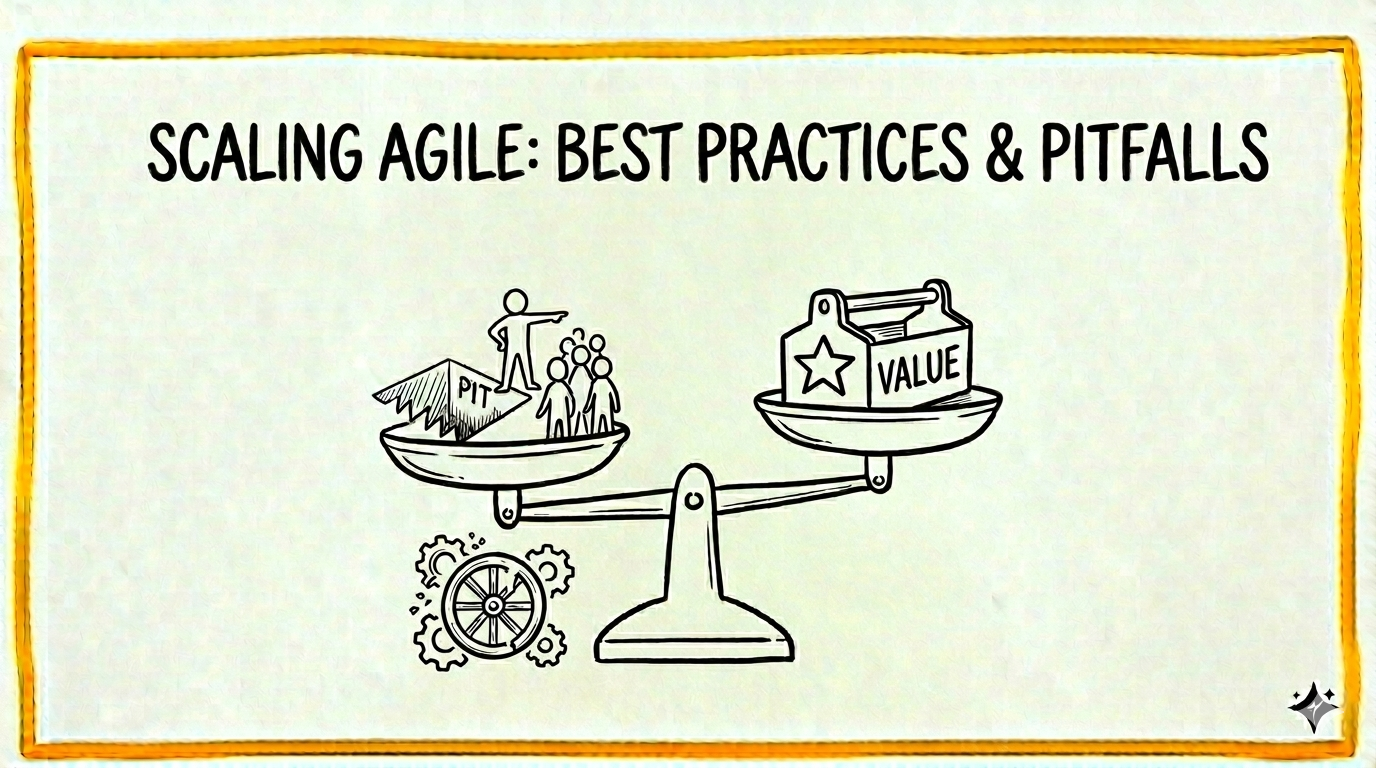
Scale collaboration and delivery across multiple teams.
Understand how to scale agile across multiple teams. Explore SAFe, LeSS, Scrum at Scale, and team of teams topology.
Product and engineering leadership, agile coaches, scrum masters.
2 days
In Person / Virtual
Up to 16 participants
 Workshop
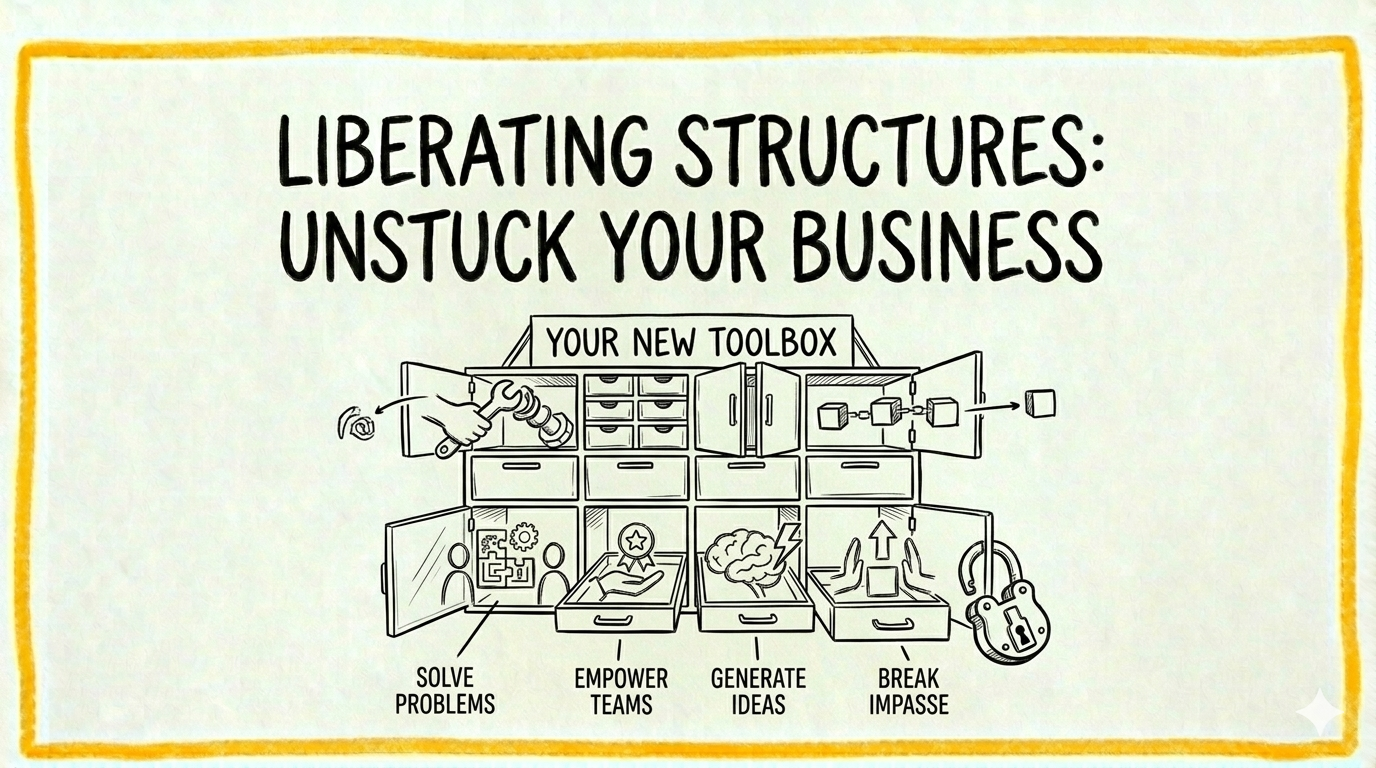
Enabling 100% inclusion, engagement, and collaboration.
Ditch the status updates and dry meetings. Use Liberating Structures to unleash creative solutions from everyone in your organization.
Leaders, facilitators, agile coaches, and teams seeking high-engagement collaboration.
1 day
In Person / Virtual
Up to 24 participants
 Workshop
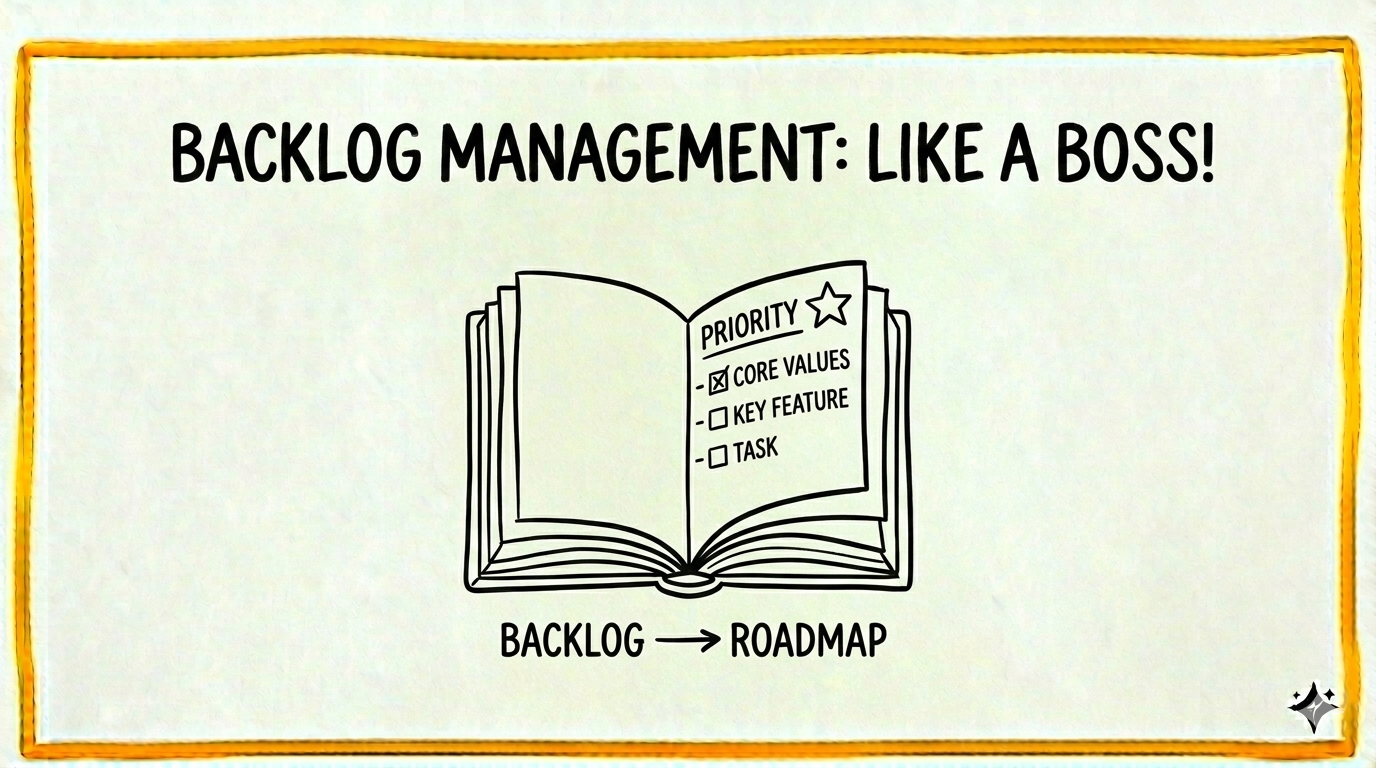
From a cluttered wish-list to a high-velocity value engine.
Stop drowning in hundreds of stale, unprioritized tickets. Learn how to craft a lean, highly strategic, and actionable backlog that teams love to build.
Product owners, product managers, business analysts, and engineering leaders.
1 day
In Person / Virtual
Up to 16 participants