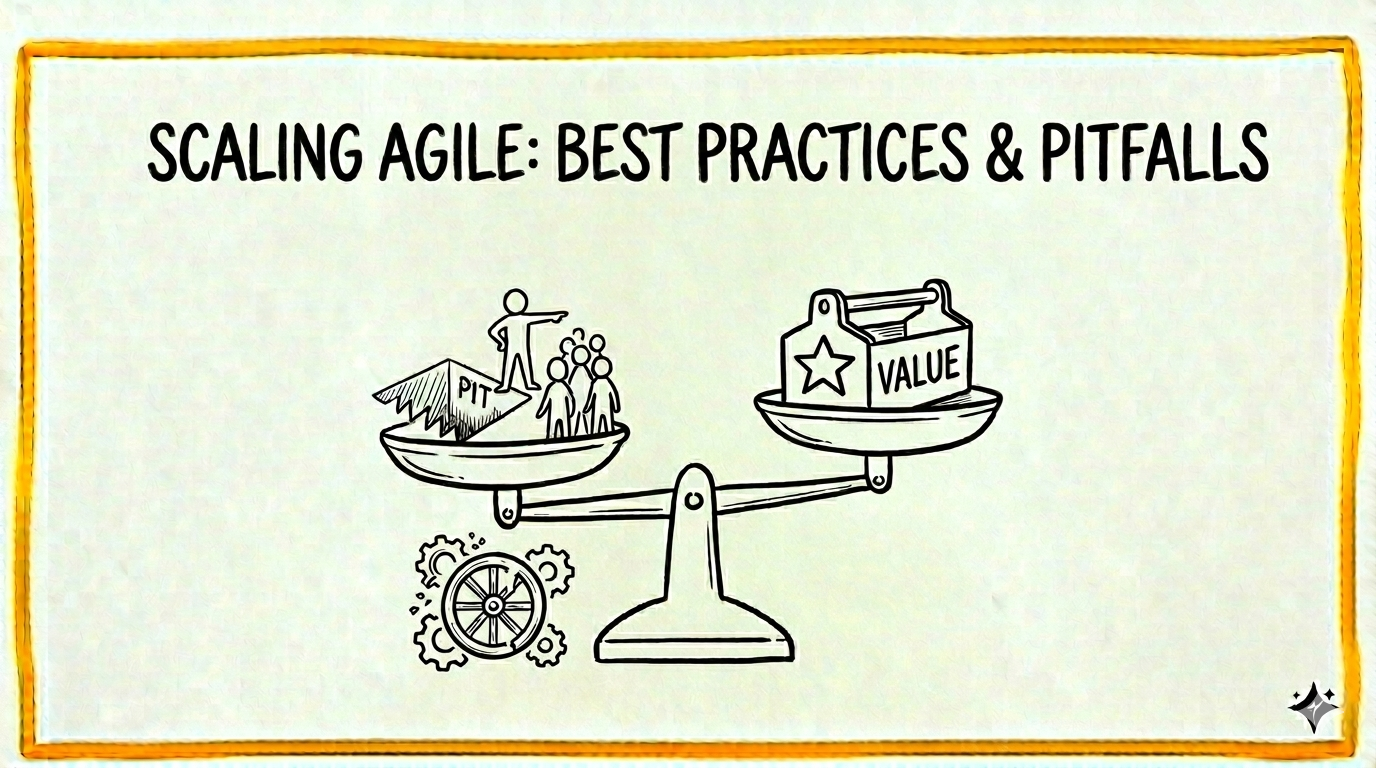
Understand how to scale agile across multiple teams. Explore SAFe, LeSS, Scrum at Scale, and team of teams topology.
2 days
Frameworks critically compared
4+
Scaling models evaluated
Up to 16
Participants
Context-first
Not framework-first
Scaling agile is not about choosing a framework. It is about understanding why scaling is hard — and what specific organisational, structural, and technical choices will either accelerate or undermine coordination across multiple teams.
This two-day workshop examines the real challenges of scaling: Conway's Law and its implications for team structure, the coordination overhead that grows non-linearly with team count, the tension between team autonomy and cross-team alignment, and the specific conditions under which different scaling approaches work or fail.
We cover the major scaling frameworks — SAFe, LeSS, Nexus, and Scrum at Scale — with a critical eye on what they solve, what they introduce, and which contexts each is suited to. The workshop prioritises thinking over prescription: participants leave with the analytical tools to evaluate their own context and make informed architectural and structural decisions, rather than a framework implementation checklist.
Best For
For product and engineering leadership planning to scale beyond two or three teams, for agile coaches and Scrum Masters working across a growing portfolio, for organisations that have adopted a scaling framework and are questioning whether it was the right choice, or for anyone designing team topologies for a new product organisation.
Articulate why scaling agile is fundamentally different from doing agile at team level
Understand Conway's Law and apply it to team topology design
Compare SAFe, LeSS, Nexus, and Scrum at Scale across key design dimensions
Identify the specific organisational conditions that determine which scaling approach will work
Design team structures that minimise coordination overhead while preserving delivery autonomy
Evaluate and address the most common scaling failure patterns
Apply Team Topologies principles to design stream-aligned, platform, and enabling teams
Plan a pragmatic path from current state to a more scalable organisational design
Organisations selecting a scaling framework based on vendor marketing rather than fit assessment
SAFe implementations that have added process overhead without improving delivery speed
Multiple teams technically using the same framework but operating completely differently
Team topology decisions made for political or historical reasons rather than flow optimisation
Leadership expecting scaling frameworks to solve problems that are fundamentally cultural or technical
Agile coaches unable to advise on scaling questions because they only know one framework
Teams at scale experiencing more coordination friction than they did at small scale
We begin with first principles: why coordination overhead grows faster than team count, what Conway's Law actually predicts about software architecture and team structure, and why most scaling problems are structural, not process problems.
SAFe and LeSS examined critically: what problems each was designed to solve, what they require from the organisation to work well, and the specific failure modes that are most common in each. Case studies from real implementations.
The lighter-weight scaling approaches and the Team Topologies model. We explore how stream-aligned, platform, and enabling team structures create the conditions for autonomous teams that can also coordinate effectively.
Participants assess their own organisational context across key dimensions: product architecture, current team structure, coordination overhead, technical practices, and leadership maturity. This produces a framework fit profile.
Using the context assessment, participants design or refine their organisation's scaling approach. The session produces a concrete starting point and a set of prioritised interventions, not a transformation roadmap that no one will follow.
Scaling framework comparison matrix — SAFe, LeSS, Nexus, and Scrum at Scale across 12 dimensions
Team Topologies primer with application guide for your organisational context
Conway's Law diagnostic tool — evaluate whether your architecture and team structure are aligned
Scaling readiness checklist — organisational preconditions for each major framework
Scaling failure pattern field guide with specific early warning signs
Your organisation's scaling design canvas — drafted during the workshop
Quick Facts
Topics Covered
What to expect
Active, participatory sessions — never just PowerPoint. Expect tools, exercises, and real takeaways you can use on Monday.
Get Started
Let's find out together how this workshop fits your team.
 Workshop
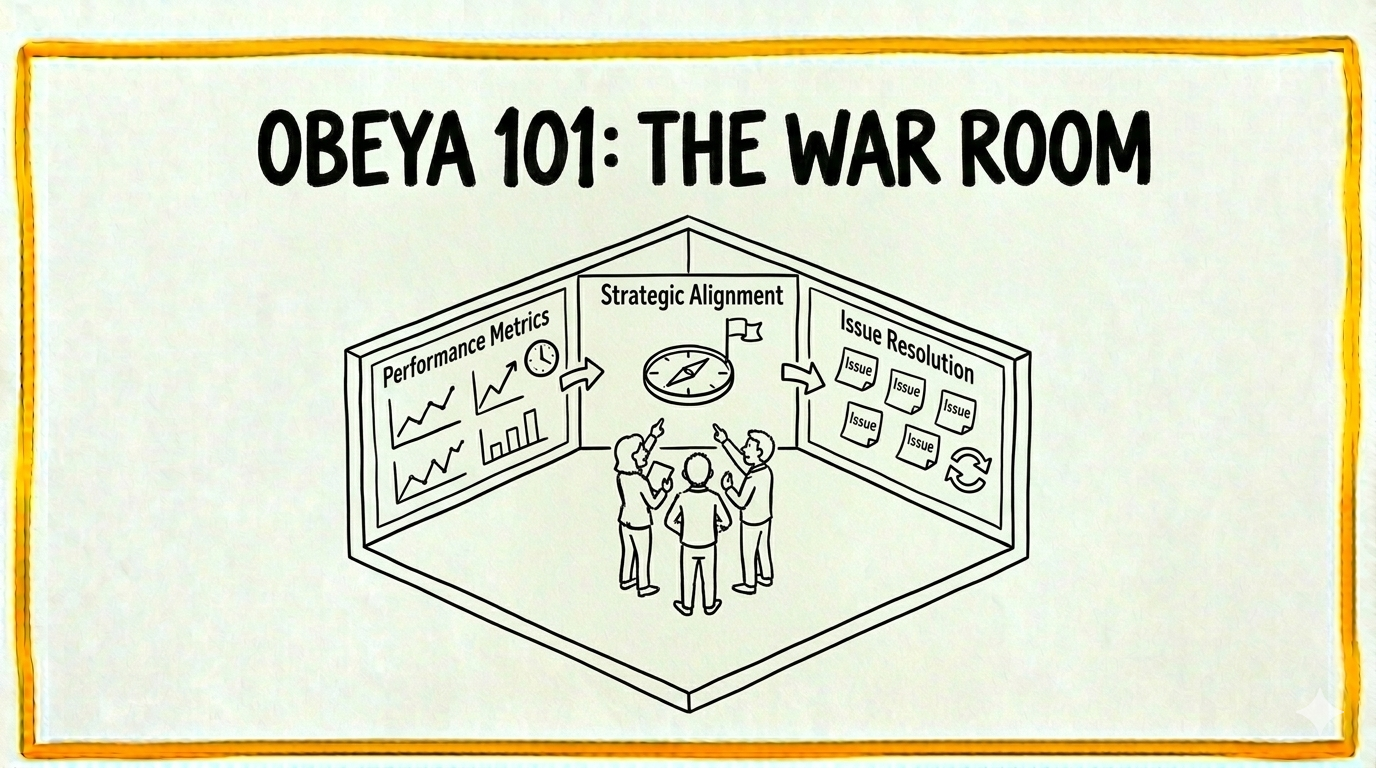
Master the art of visual management.
Learn the fundamentals of Obeya rooms and visual management. Create effective information radiators for your organization.
Teams wanting to implement Obeya visual management.
1 day
In Person / Virtual
Up to 15 participants
 Workshop
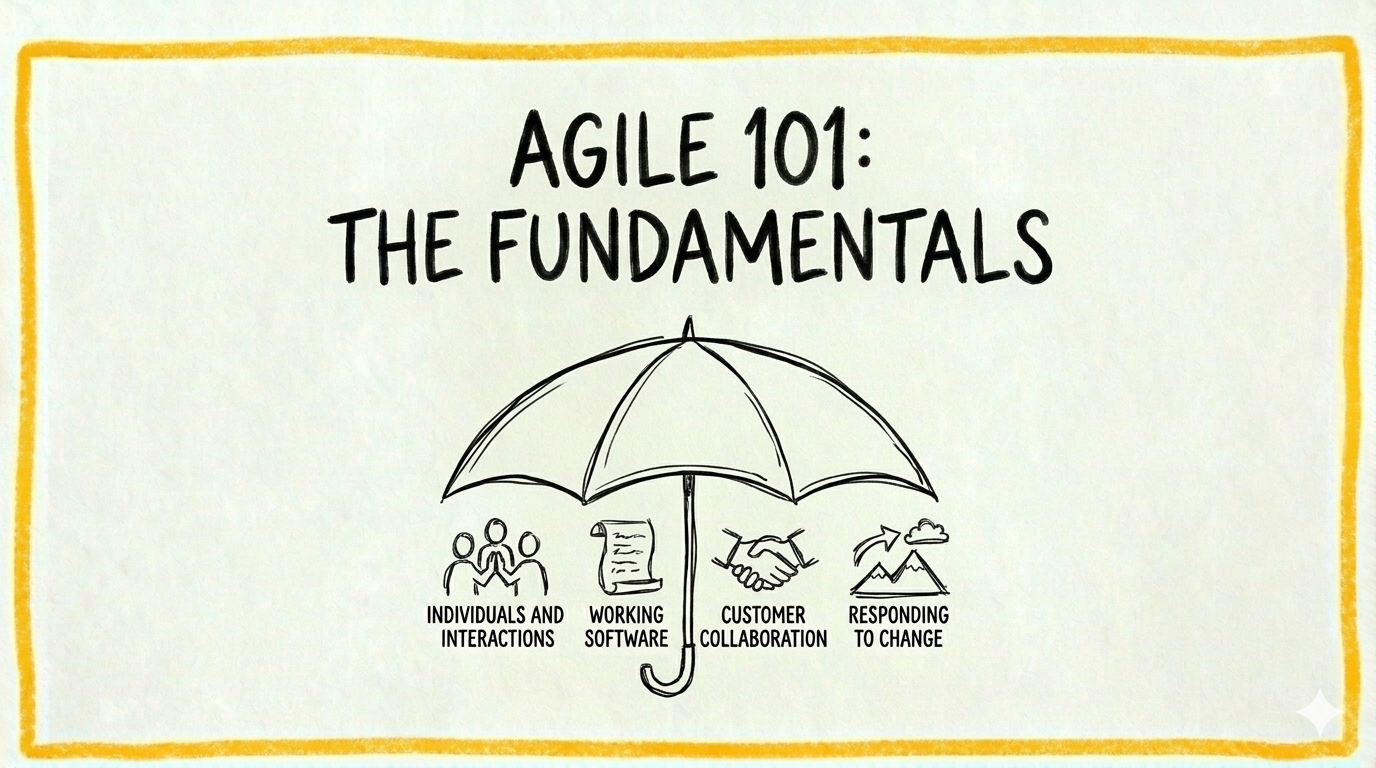
Build a solid agile foundation.
Comprehensive agile fundamentals training. Cover Scrum, Kanban, and agile principles for teams new to agile.
Teams new to agile or needing a refresher.
2 days
In Person / Virtual
Up to 20 participants
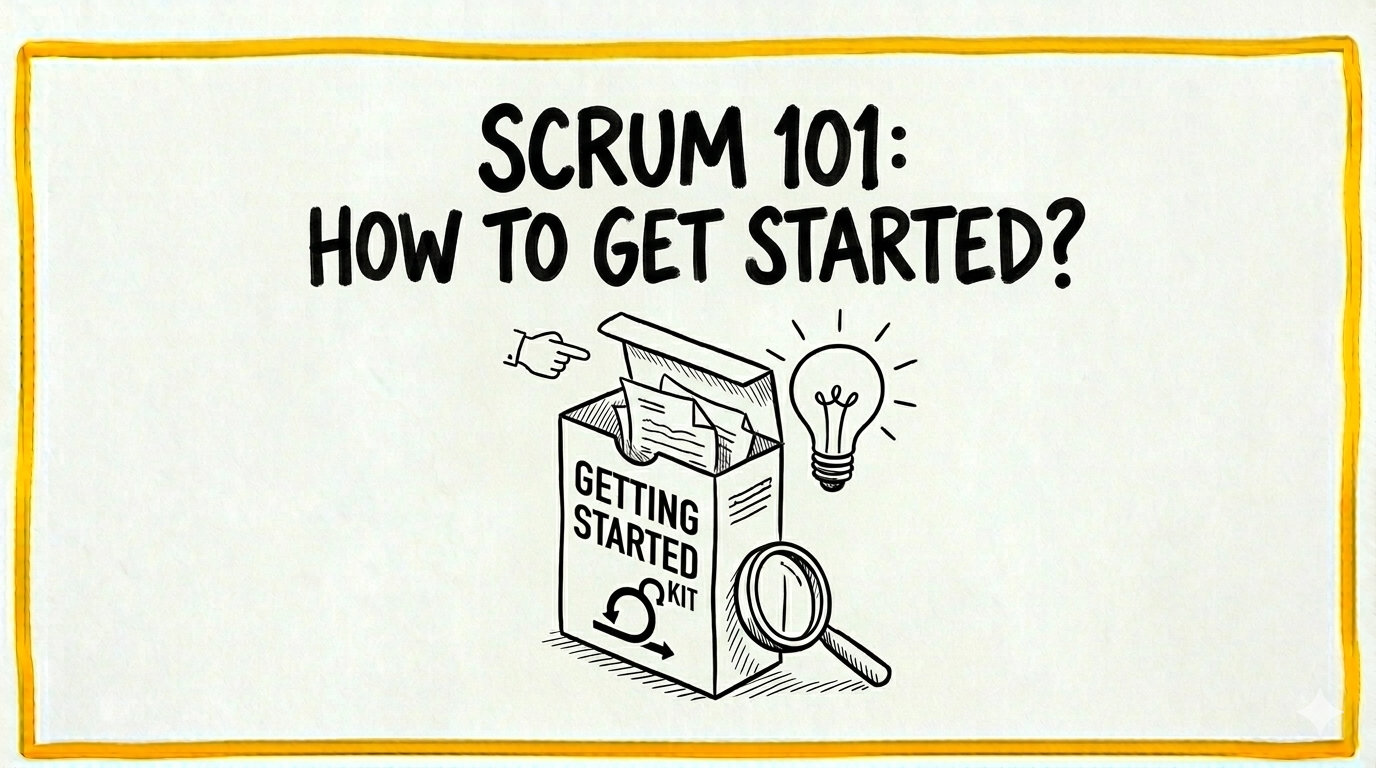 Workshop
Master Scrum fundamentals.
Comprehensive Scrum training. Cover roles, events, artifacts, and the Scrum framework for teams new to Scrum.
Teams new to Scrum or needing a refresher.
2 days
In Person / Virtual
Up to 20 participants
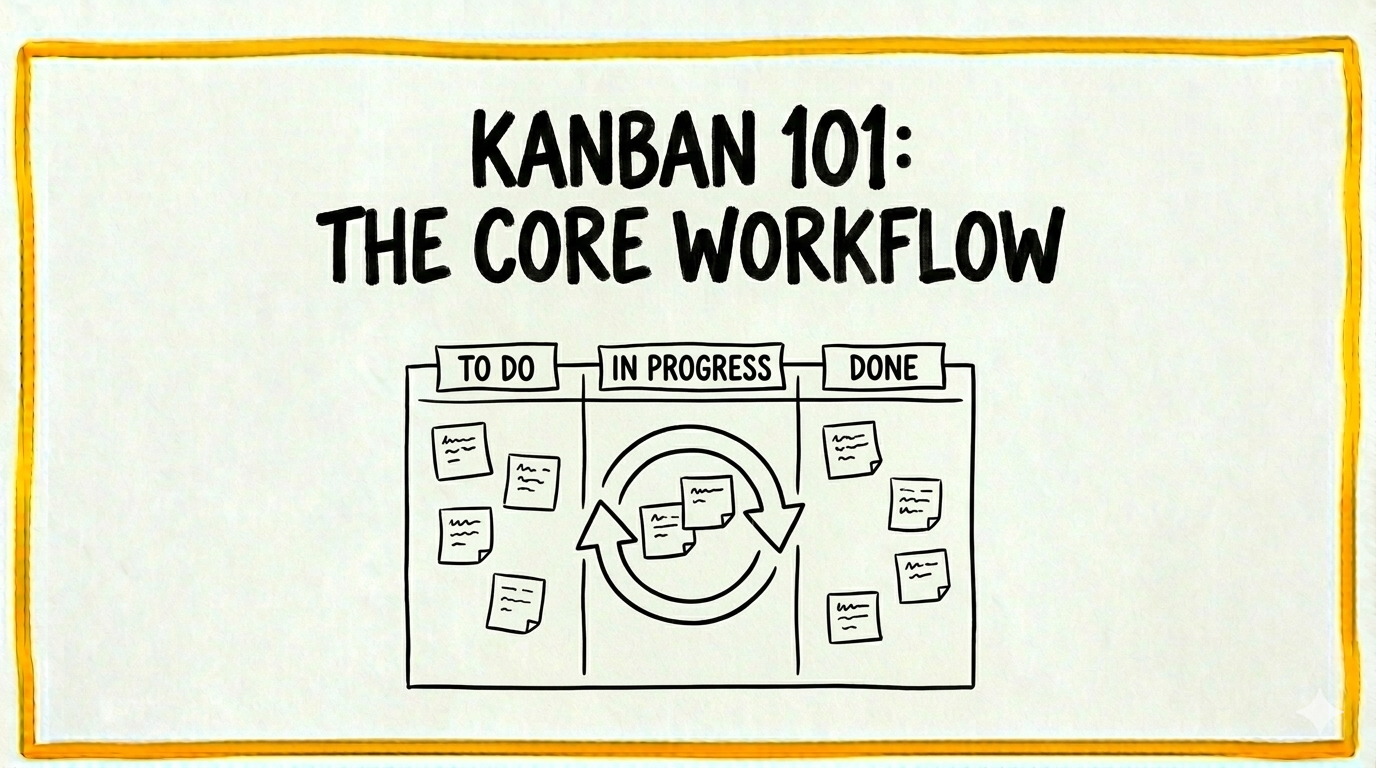 Workshop
Optimize flow with Kanban.
Learn Kanban fundamentals and practices. Optimize workflow, limit work in progress, and improve flow efficiency.
Teams wanting to implement or improve Kanban.
1 day
In Person / Virtual
Up to 15 participants
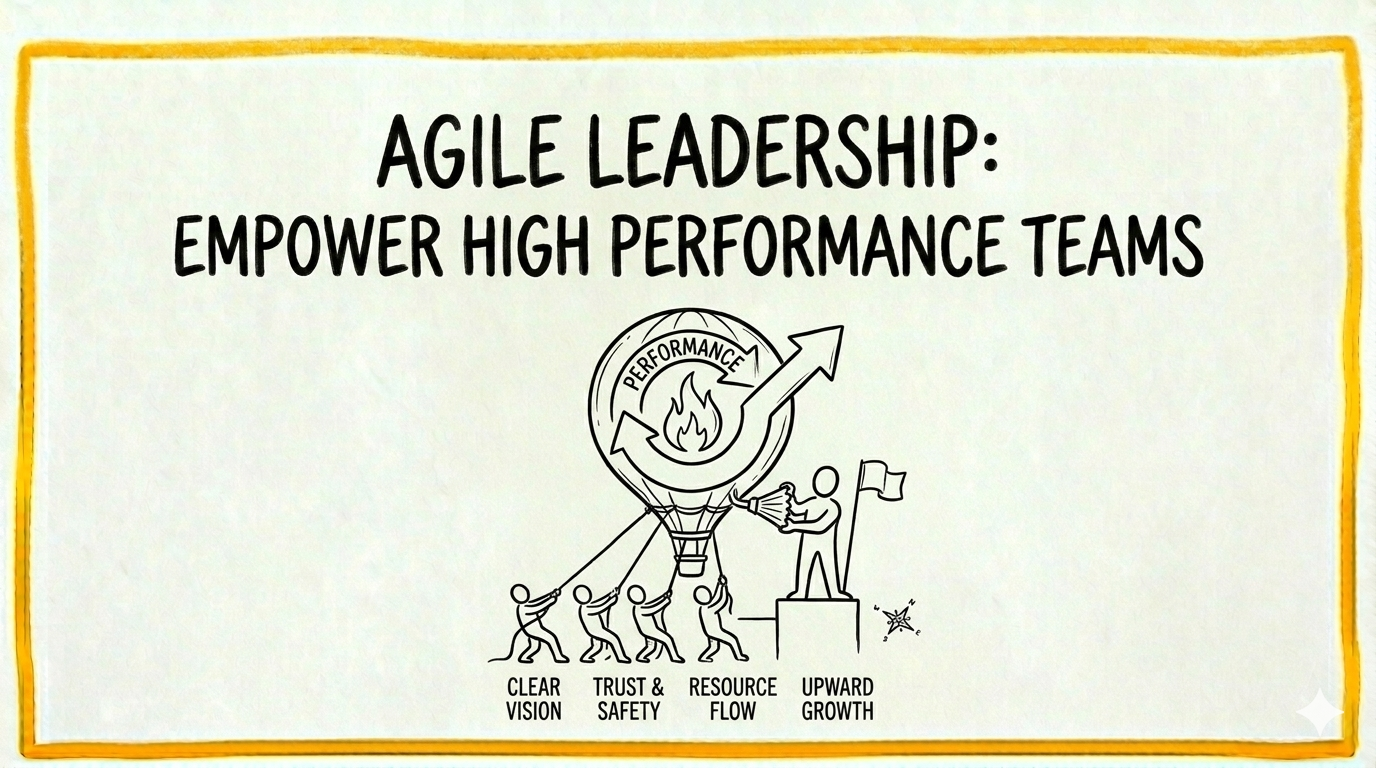 Workshop
Lead agile transformation effectively.
Leadership training for agile environments. Learn how to lead, support, and enable agile teams and transformation.
Leaders managing agile teams or transformations.
2 days
In Person / Virtual
Up to 12 participants
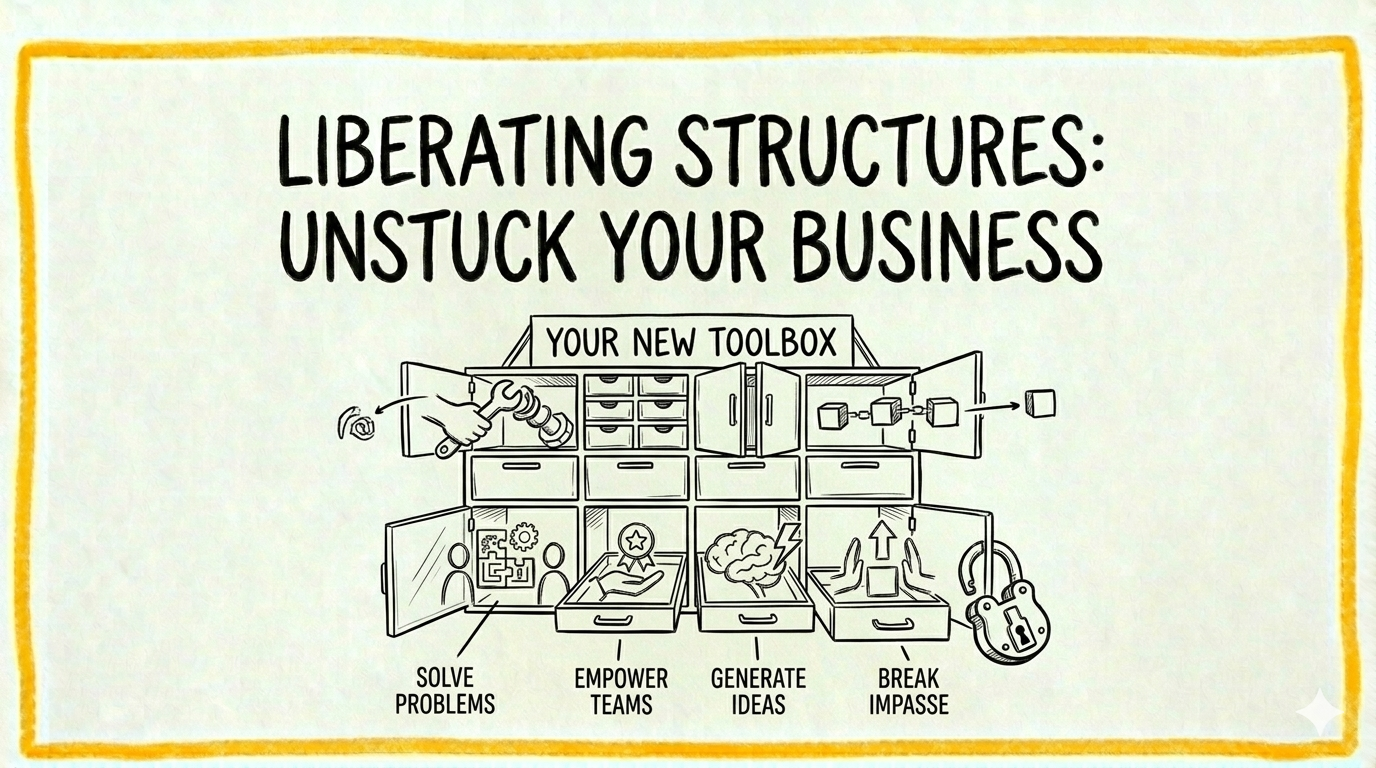 Workshop
Enabling 100% inclusion, engagement, and collaboration.
Ditch the status updates and dry meetings. Use Liberating Structures to unleash creative solutions from everyone in your organization.
Leaders, facilitators, agile coaches, and teams seeking high-engagement collaboration.
1 day
In Person / Virtual
Up to 24 participants
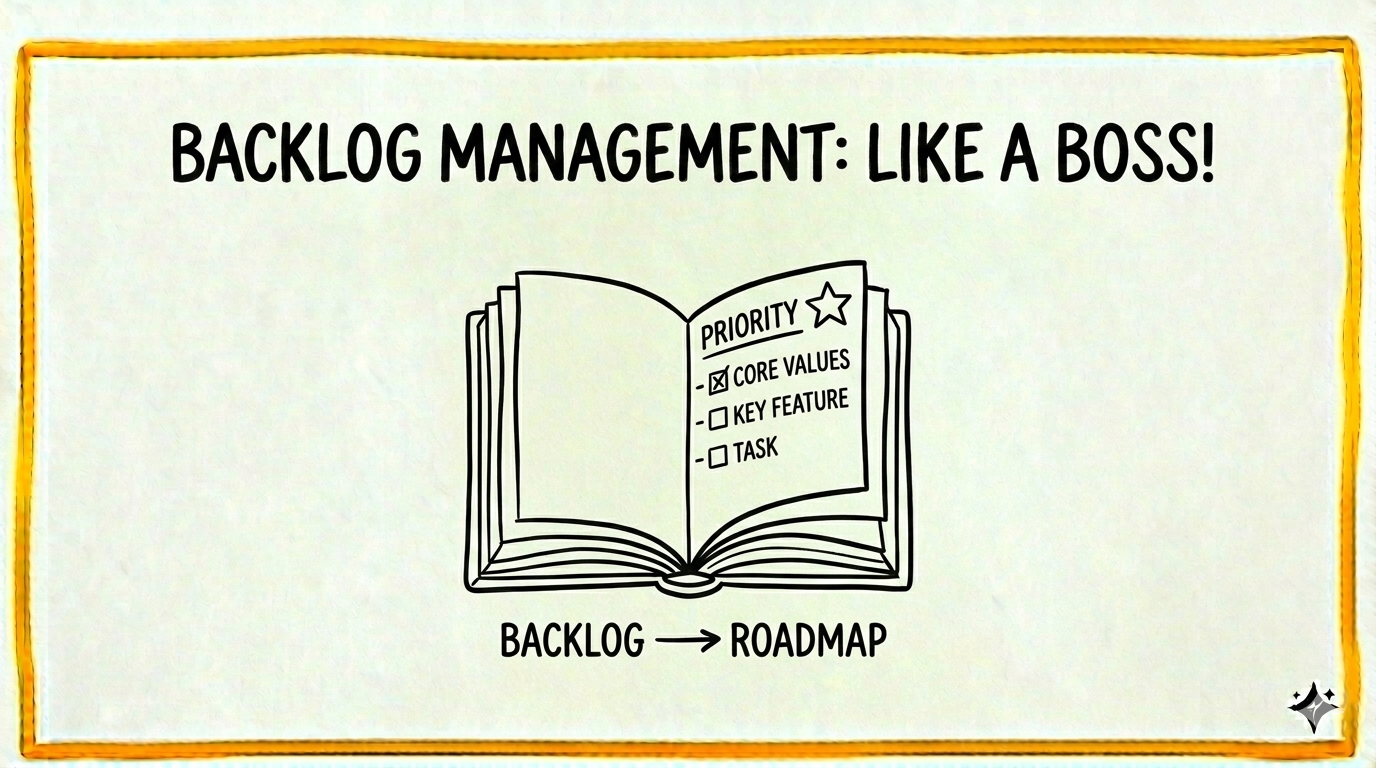 Workshop
From a cluttered wish-list to a high-velocity value engine.
Stop drowning in hundreds of stale, unprioritized tickets. Learn how to craft a lean, highly strategic, and actionable backlog that teams love to build.
Product owners, product managers, business analysts, and engineering leaders.
1 day
In Person / Virtual
Up to 16 participants