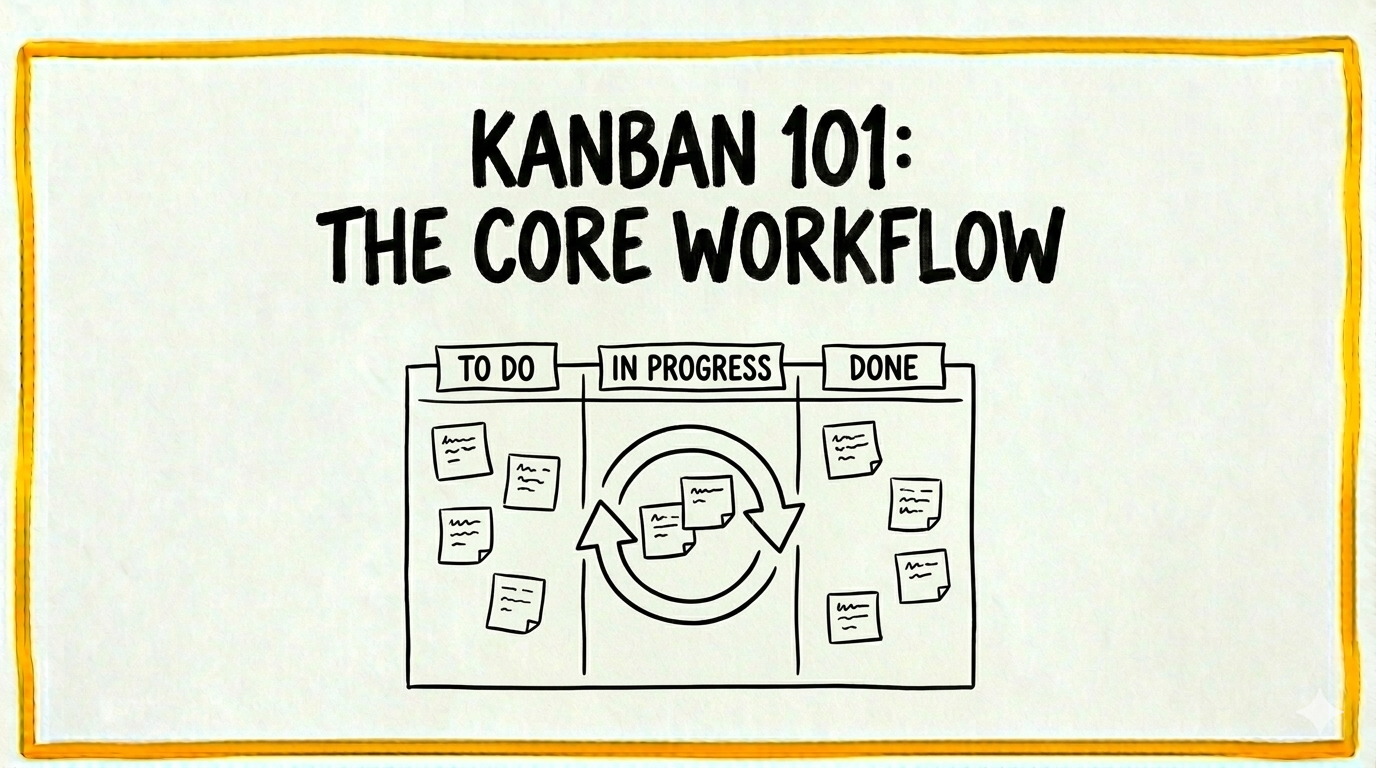
Learn Kanban fundamentals and practices. Optimize workflow, limit work in progress, and improve flow efficiency.
1 day
Comprehensive Kanban mastery
Flow sim
Hands-on WIP experiment
Up to 15
Participants
Lower
Cycle time with WIP discipline
Kanban is one of the most misunderstood practices in modern software delivery. Most teams use a Kanban board as a visual to-do list. The actual Kanban method is a system for managing and improving the flow of work through a value-creating process — with specific practices for visualisation, WIP management, flow measurement, and continuous improvement that go far beyond columns and cards.
This one-day workshop teaches the Kanban method as a complete discipline, covering the four foundational practices, the six core principles, and the operational mechanics of running a Kanban system that actually improves throughput over time.
Participants work through hands-on exercises including board design, WIP limit calibration, and a flow simulation that makes the relationship between WIP, cycle time, and throughput tangible in a way that no theory session can match.
Best For
For teams running or planning to run Kanban, for teams using Jira or Linear boards but not applying flow principles, for teams that have tried Scrum but need a more flow-oriented approach, or for support and maintenance teams where work arrives unpredictably.
Apply the six core Kanban principles to your team's specific work context
Design a Kanban system that accurately reflects how work flows through your team
Set and manage WIP limits using empirical data rather than intuition
Measure and interpret cycle time, lead time, and throughput
Use the Cumulative Flow Diagram to identify and resolve flow issues proactively
Conduct a Kanban review (throughput retrospective) that drives genuine improvement
Differentiate between Kanban as a tool and Kanban as a method
Teams using Kanban boards as visual backlog lists without any flow management
WIP unlimited by default, causing everything to be in progress and nothing to be done
Cycle time measured informally or not at all
Work being pulled before capacity exists, creating invisible queuing and context switching
Metrics dashboards that show activity volume rather than flow performance
No mechanism for identifying systemic bottlenecks that repeat across periods
Kanban and Scrum teams at the same organisation using incompatible process vocabularies
We start with the theory, evidence base, and the six practices of the Kanban method. This is not a "Kanban board tutorial" — it is the complete method, including change management principles that most teams never encounter.
A hands-on simulation where teams experience the direct relationship between WIP, cycle time, and throughput. This is the most memorable part of the workshop and the evidence base for everything that follows.
Participants design or redesign their team's Kanban system, making explicit decisions about column definitions, WIP limits, classes of service, and how to handle different work types.
How to read and act on the Cumulative Flow Diagram, Little's Law in practice, and the specific CFD patterns that indicate the most common flow problems.
The Kanban meeting cadences — daily standup, replenishment meeting, and throughput retrospective — and how to run a Kanban review that produces actionable improvement decisions rather than status reporting.
Kanban system design canvas — your team's board designed during the workshop
WIP limit calculation guide — how to set limits based on historical throughput data
Flow metrics reference card — cycle time, lead time, throughput, and CFD interpretation
Kanban meeting format guide — daily standup, replenishment, and throughput retrospective
Flow simulation debrief notes
Improvement card template for tracking Kanban system experiments
Quick Facts
Topics Covered
What to expect
Active, participatory sessions — never just PowerPoint. Expect tools, exercises, and real takeaways you can use on Monday.
Get Started
Let's find out together how this workshop fits your team.
 Workshop
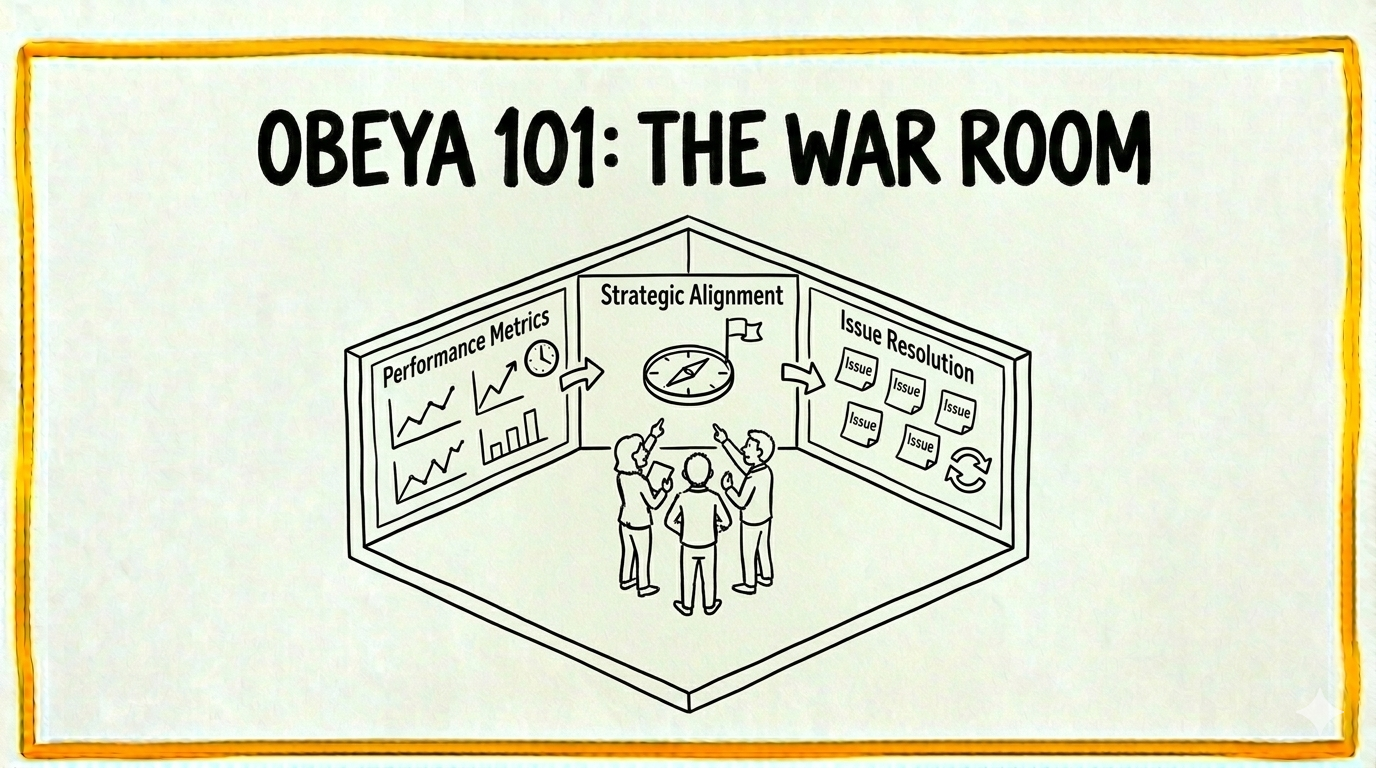
Master the art of visual management.
Learn the fundamentals of Obeya rooms and visual management. Create effective information radiators for your organization.
Teams wanting to implement Obeya visual management.
1 day
In Person / Virtual
Up to 15 participants
 Workshop
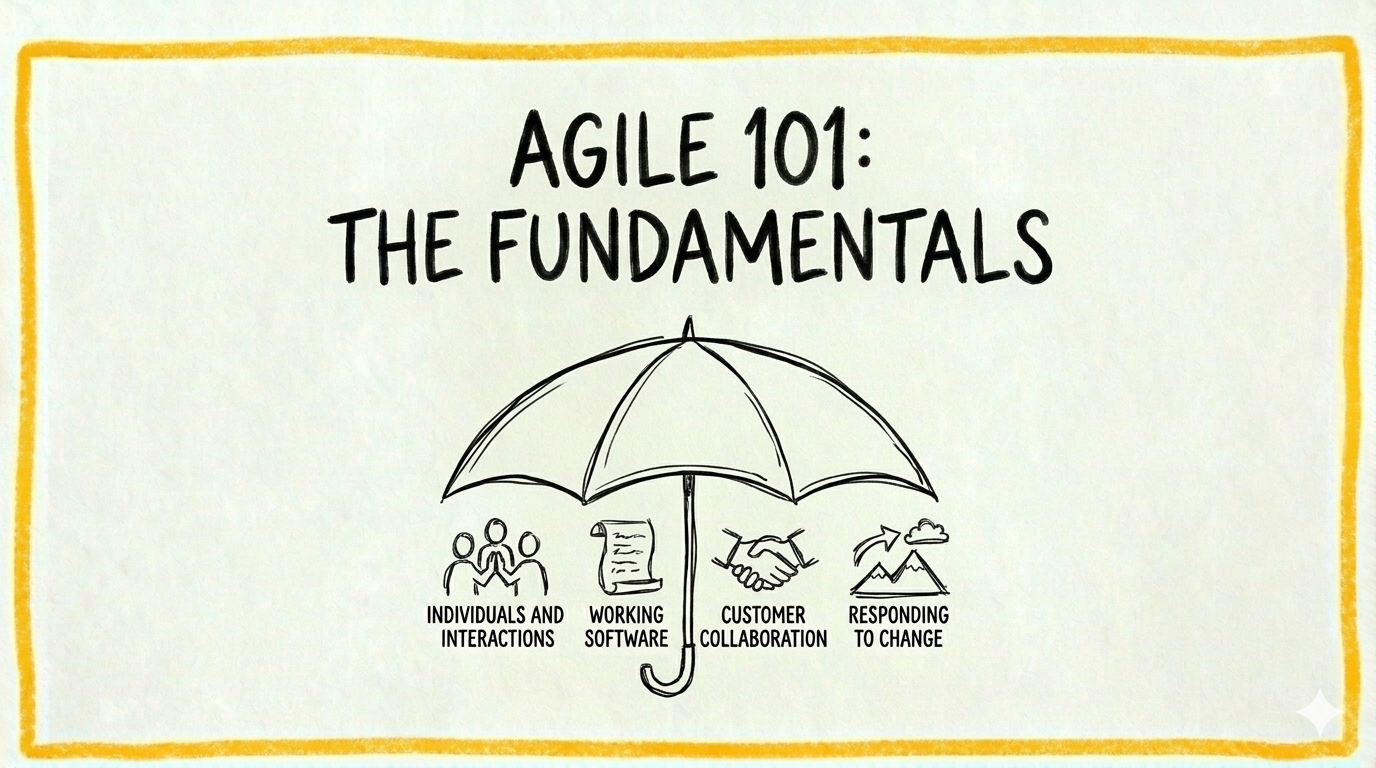
Build a solid agile foundation.
Comprehensive agile fundamentals training. Cover Scrum, Kanban, and agile principles for teams new to agile.
Teams new to agile or needing a refresher.
2 days
In Person / Virtual
Up to 20 participants
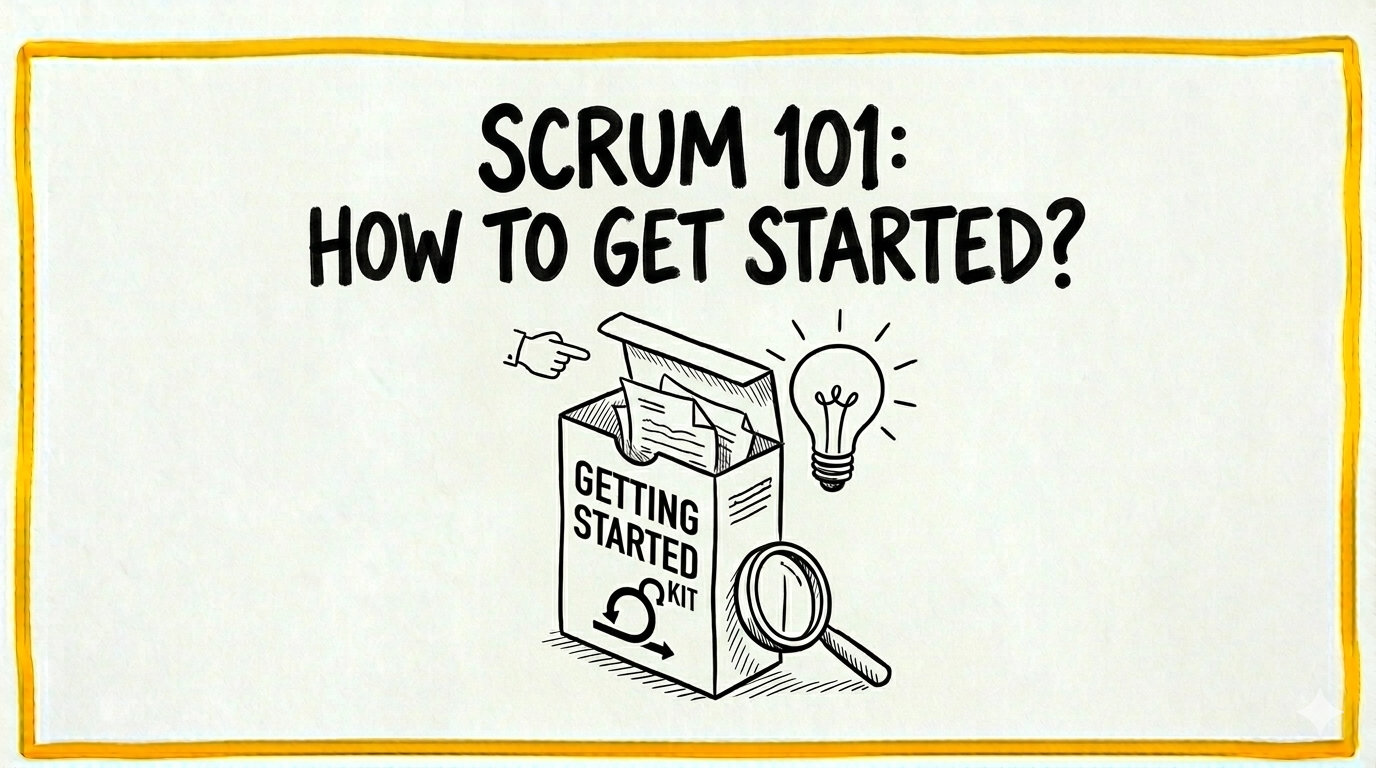 Workshop
Master Scrum fundamentals.
Comprehensive Scrum training. Cover roles, events, artifacts, and the Scrum framework for teams new to Scrum.
Teams new to Scrum or needing a refresher.
2 days
In Person / Virtual
Up to 20 participants
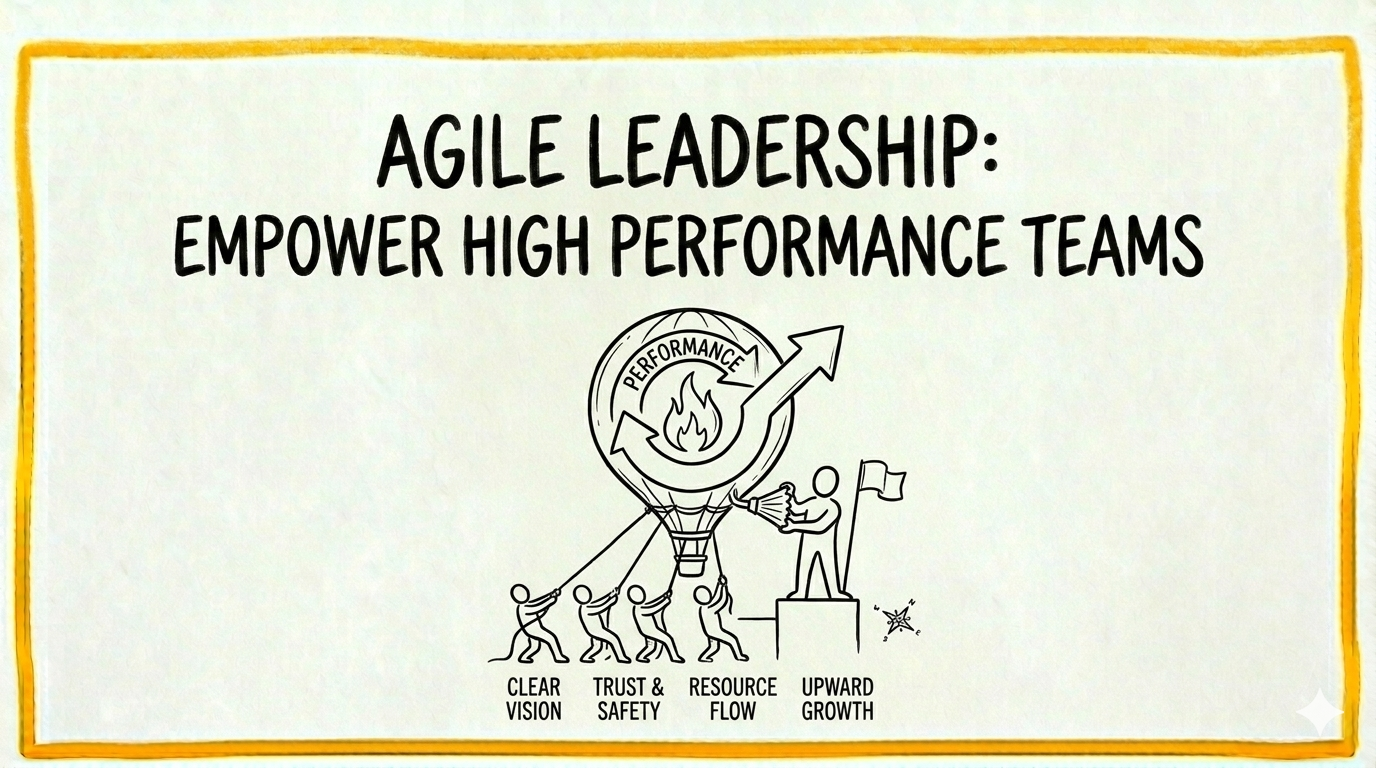 Workshop
Lead agile transformation effectively.
Leadership training for agile environments. Learn how to lead, support, and enable agile teams and transformation.
Leaders managing agile teams or transformations.
2 days
In Person / Virtual
Up to 12 participants
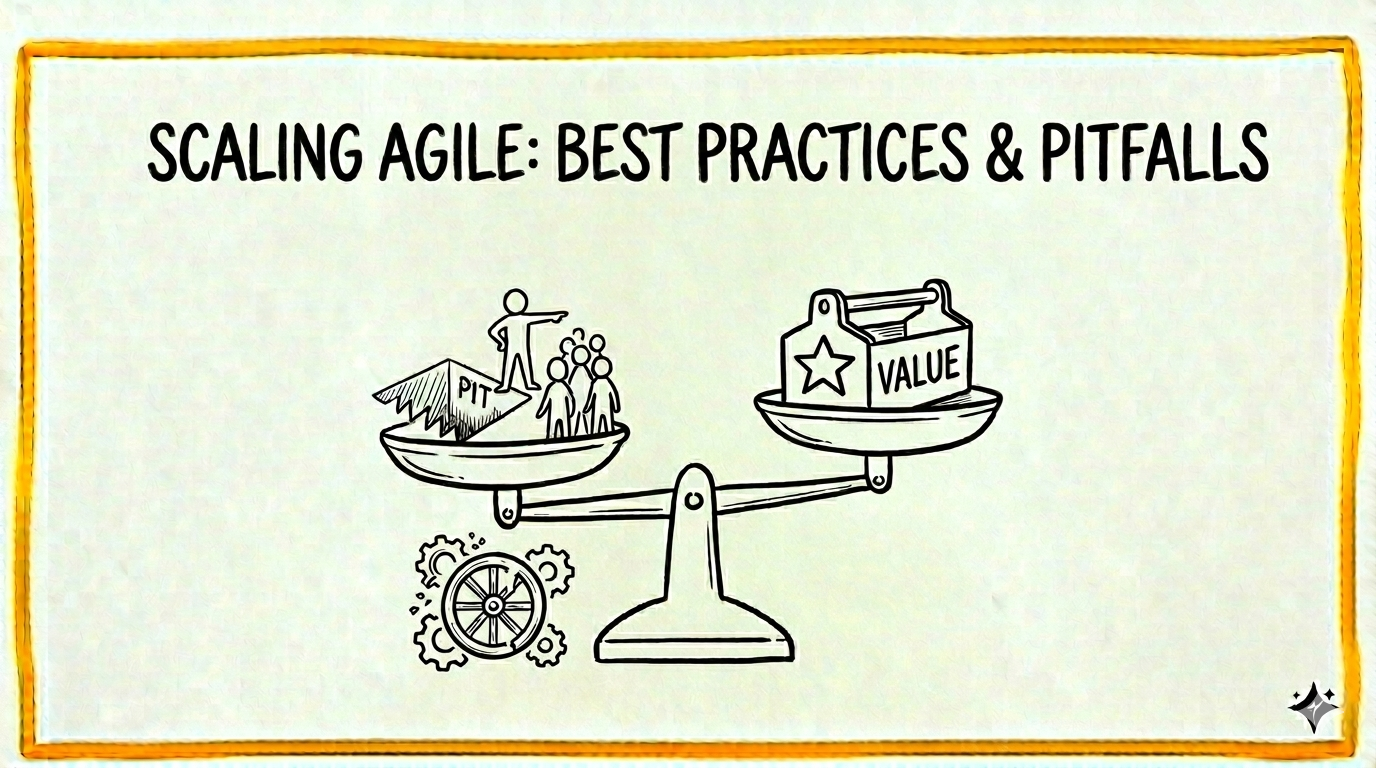 Workshop
Scale collaboration and delivery across multiple teams.
Understand how to scale agile across multiple teams. Explore SAFe, LeSS, Scrum at Scale, and team of teams topology.
Product and engineering leadership, agile coaches, scrum masters.
2 days
In Person / Virtual
Up to 16 participants
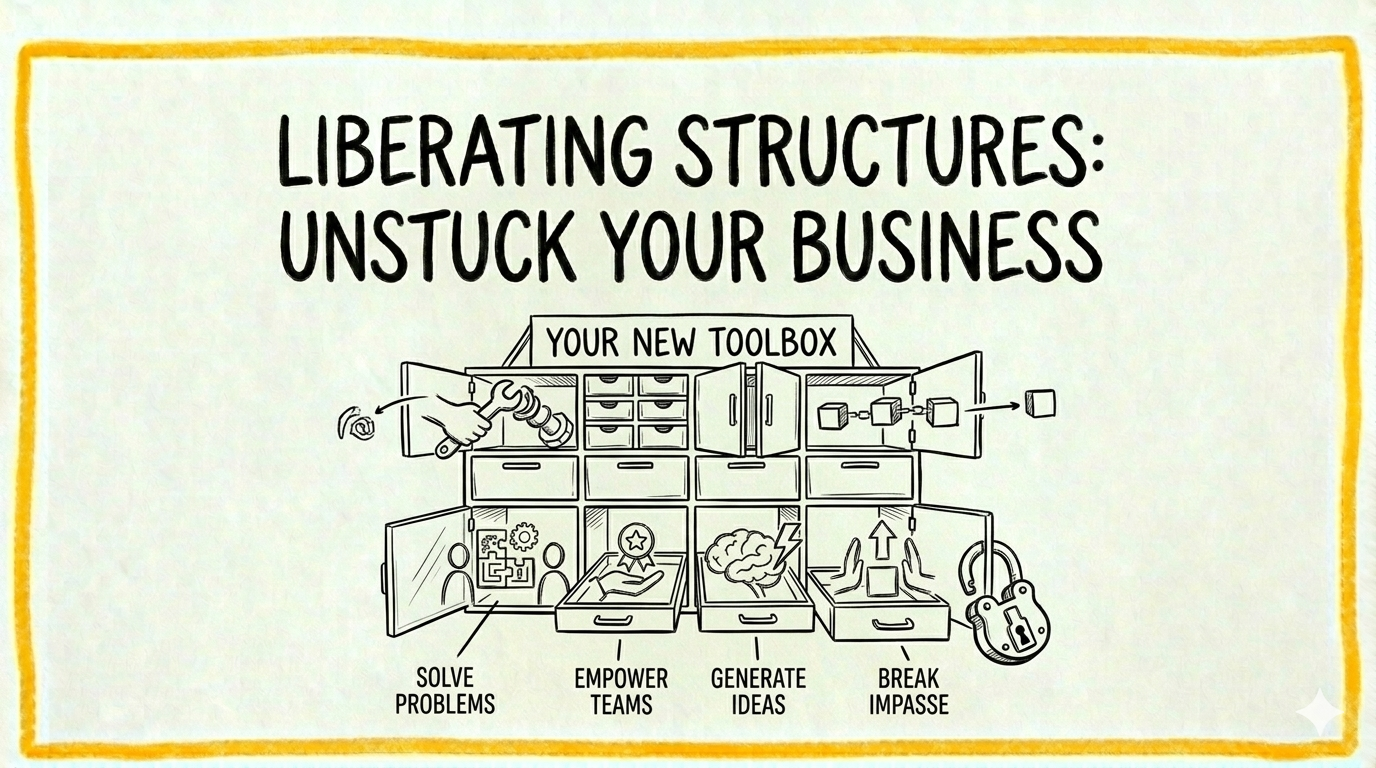 Workshop
Enabling 100% inclusion, engagement, and collaboration.
Ditch the status updates and dry meetings. Use Liberating Structures to unleash creative solutions from everyone in your organization.
Leaders, facilitators, agile coaches, and teams seeking high-engagement collaboration.
1 day
In Person / Virtual
Up to 24 participants
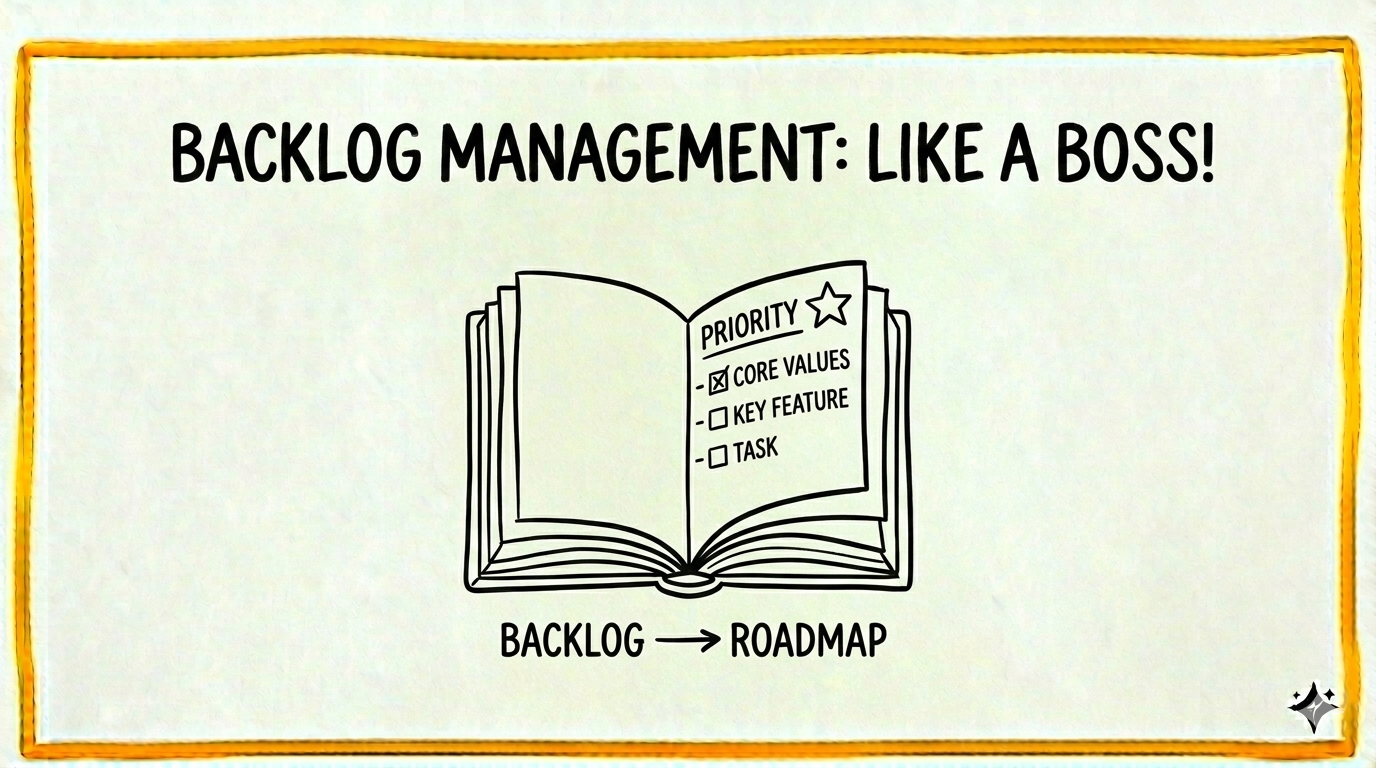 Workshop
From a cluttered wish-list to a high-velocity value engine.
Stop drowning in hundreds of stale, unprioritized tickets. Learn how to craft a lean, highly strategic, and actionable backlog that teams love to build.
Product owners, product managers, business analysts, and engineering leaders.
1 day
In Person / Virtual
Up to 16 participants